REVIEW · HUA HIN
Elephant and Animal Watching in Kuiburi National Park – Join Afternoon Tour
Book on Viator →Operated by Ken Diamond Co.Ltd Tour & Travel · Bookable on Viator
Elephants in the wild are never a sure thing.
That’s exactly why this Kuiburi National Park afternoon tour works: you’re sent into the Huai Luek Wildlife Area to watch wild elephants and other animals at a distance, from proper observation points, with a plan that gives you real waiting time (not just a quick drive-by).
I really like how easy the logistics are. Hotel pickup and drop-off from Hua Hin, an air-conditioned vehicle, and a maximum group size of nine keep the day comfortable and controlled.
One more reason I’d call this good value is the included break. You get a Thai dinner along the way plus shared binoculars, so you’re not just hunting animals—you’re also taking a real pause before heading back.
The main drawback to plan for: wildlife sightings can be hit-or-miss. Even with a strong chance of seeing elephants, you still should expect elephants to be far away at times, with long waits and viewing done safely.
In This Review
- Key things to know before you go
- Kuiburi elephant watching from Hua Hin: what kind of safari this really is
- The drive to Huai Luek Wildlife Area: where the day’s rhythm starts
- Watching elephants in the wild: how the viewing works and what to expect
- Other wildlife you can actually look for (and how to spot it)
- Birdwatching in a dry-humid forest: the calm part of the day
- Guides and pacing: the difference between a “drive” and a day out
- Timing and itinerary flow: what a typical 6–7 hour afternoon looks like
- Dinner on the way back: a real local meal break, not an afterthought
- Price and value: what $87.99 gets you (and what it doesn’t)
- Who should book this tour, and who should skip it
- Should you book this Kuiburi elephant and animal watching afternoon tour?
- FAQ
- How long is the Kuiburi elephant and animal watching afternoon tour?
- Is hotel pickup and drop-off included?
- What’s included in the price?
- What animals and birds can I expect to look for?
- Is seeing elephants guaranteed?
- How big is the group?
- What’s not included?
Key things to know before you go
- Small-group format (max 9) helps you feel more flexible at the stops
- Ranger-style viewing means designated points and distance from animals
- Binoculars are provided, which matters for spotting elephants and gaur from far off
- You’re not promised close encounters; it’s wild viewing, not a zoo experience
- Birdwatching is part of the route, with species like Crested Fireback and Asian Spoonbill
- Elephant numbers can shift with weather, so dress for sun, wind, and dust
Kuiburi elephant watching from Hua Hin: what kind of safari this really is
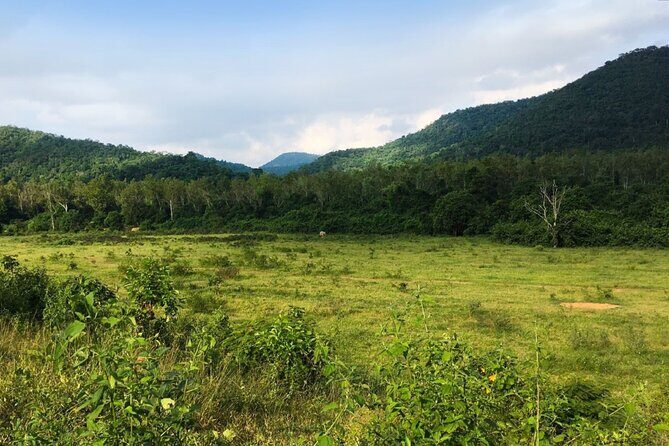
This is a Thailand-style wildlife safari built around patience, not constant motion. From Hua Hin, you drive to Kuiburi National Park and then spend time in the Huai Luek area looking for elephants as they forage. The idea is simple: find the animals, then let them stay wild while you watch from a safe, agreed distance.
If you’re picturing the classic African-jeep fantasy—lots of cars, lots of animals right in front of you, and instant payoff—this trip may feel different. In Kuiburi, you’re more likely to be waiting at specific viewpoints, watching herds move through habitat rather than chasing a guaranteed sighting. That doesn’t make it worse. It makes it more honest.
I also like that the experience is set up as a protected-wildlife encounter. The elephant population in Kuiburi is still small, and the operator emphasizes that this is not a zoo visit. You’re there to observe in the animals’ environment, with rangers guiding distance and timing.
You can also read our reviews of more tours and experiences in Hua Hin.

The drive to Huai Luek Wildlife Area: where the day’s rhythm starts
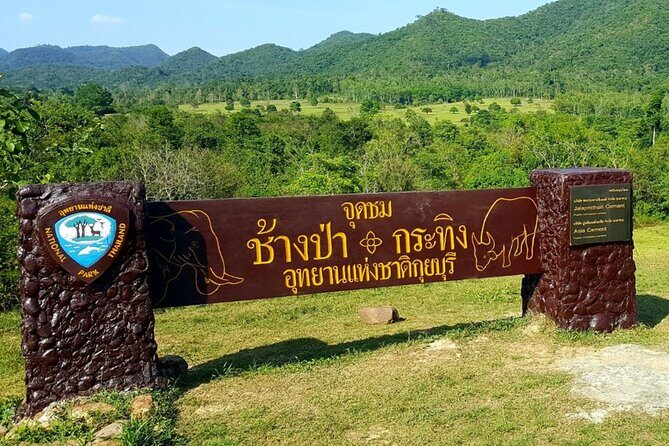
Your day starts with pickup in a minivan from Hua Hin. The ride is about 1.5 hours to the Kuiburi Visitor Center, then you transfer to a guided safari vehicle for the actual wildlife area.
On paper, the itinerary can sound long. In practice, the drive is part of the pacing: it gets you deep enough into the park that the viewing stops make sense, and it helps you arrive before conditions get too harsh. Once you reach the Visitor Center, rangers take over and you head into the Huai Luek Wildlife Area.
Inside the park, the timing matters. You’re not just dropped into one random spot. You move between observation points where elephants and other animals are known to pass through, and you spend time waiting for activity—sometimes that waiting pays off big, and sometimes it means fewer sightings in a given stop. That’s the trade for wildlife, not a problem with the tour.
Watching elephants in the wild: how the viewing works and what to expect
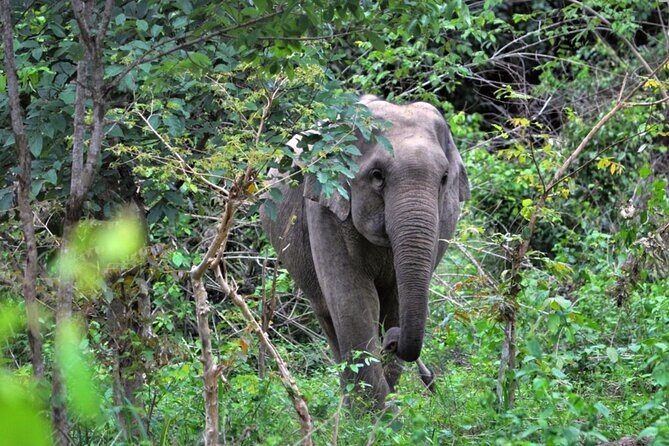
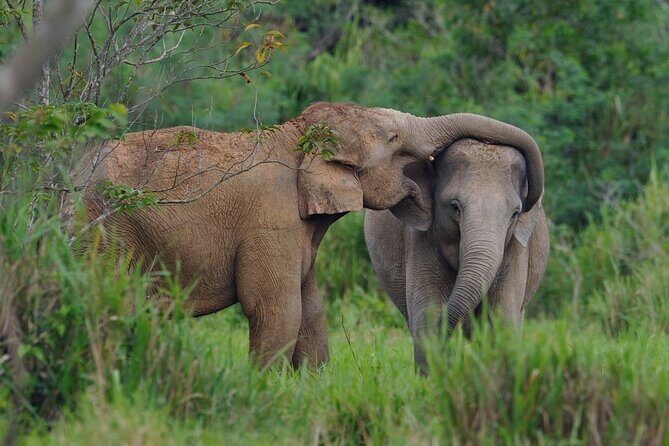
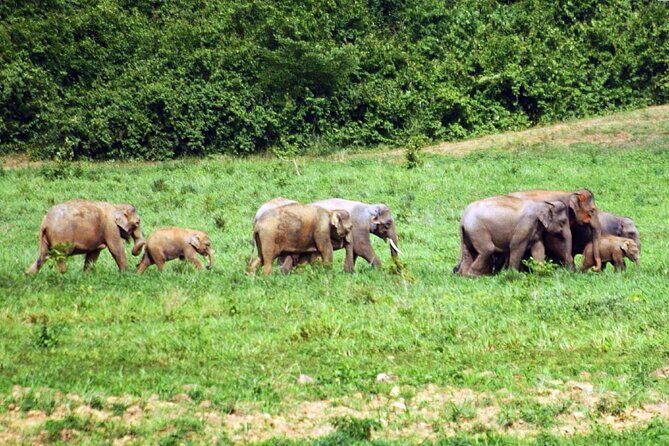
Here’s the core thing you should know before you book: elephant sightings aren’t guaranteed like a ticketed attraction. The tour information states that there’s about a 90–95% chance of seeing elephants in the wild within Kuiburi, but the animals still roam freely and conditions can shift.
In real terms, you should expect one of these scenarios:
- You see elephants clearly at one of the longer stops, sometimes as a herd moving through open areas.
- You spot elephants from a distance first, then activity increases (or doesn’t).
- You see only a small number on the day, and the rest of the wildlife experience comes from birds, gaur, and the park itself.
That’s why binoculars matter. This tour includes shared binoculars, and when elephants are farther away, binoculars can turn a vague shape into real detail.
Also, keep expectations about “close-up” in check. Multiple comments highlight that elephants are viewed from a distance for safety and to avoid disturbing them. In other words: you’ll be watching animals behave naturally, not posing them for you.
Other wildlife you can actually look for (and how to spot it)
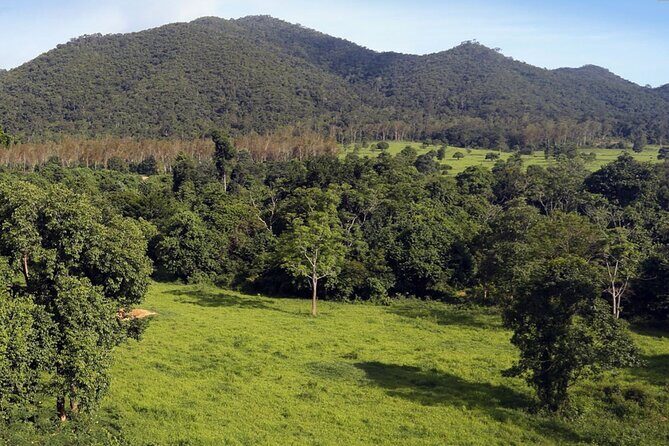
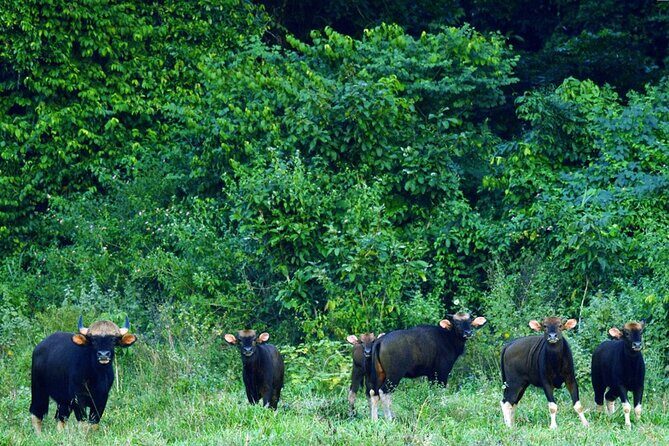
Elephants are the headline, but Kuiburi isn’t a one-species show. The tour route is set up to look for gaurs (wild cattle) and other animals that share the area, and the overall park is known for a wider mix of wildlife.
From the tour details, you can also look out for golden jackals and, occasionally, leopards. You may also see other herding animals—one of the nice bonuses of a longer wildlife drive is that you don’t leave empty-handed even when elephants don’t show in large numbers.
How you spot animals matters. You’re driving to a few viewpoints and stopping long enough to scan for movement. That’s where the rangers’ experience helps. In the better-organized outings, the guide takes time to get everyone onto the right side of the viewing plan so you’re not all searching randomly with tired eyes.
If you enjoy birdwatching, you’re in luck here. You’re not only looking for mammals.
Birdwatching in a dry-humid forest: the calm part of the day
One of the quietly smart parts of this tour is that it doesn’t treat the park like an elephant-only task. You also visit forest habitat that supports birds, and you have time to look for species such as:
- Crested Fireback
- Indian Roller
- Asian Spoonbill
If you’re the kind of traveler who likes to learn something while waiting, this is a strong fit. Birds often show activity even when bigger mammals are slower to appear, so your eyes stay busy and your time in the park feels productive.
This is also a good reminder that you’re visiting a functioning ecosystem, not an outdoor stage. Watching elephants can be thrilling, but watching birds and smaller wildlife is what makes the day feel complete even when elephant numbers vary.




Guides and pacing: the difference between a “drive” and a day out
A lot of value comes down to how the guide manages timing and people. This tour runs as a small-group outing with a shared vehicle and limited group size, which helps the guide keep you moving at the right times without turning it into a chaotic herd of strangers.
The guide quality can swing the experience. In the examples from the field, guides like Bob, Pom, and Bobbie are described as organized and patient—focused on finding elephants and keeping the group’s attention where it matters. You’ll also want a guide who doesn’t rush. When the route stays calm and the stops are handled well, the waiting time doesn’t feel wasted.
If you’re the type who likes explanations, you should know that some people find the guide extremely clear, while others end up asking more questions for details. My practical take: bring a curious mindset. Ask what you’re looking at when you stop, especially if you see birds or distant animal shapes.
Timing and itinerary flow: what a typical 6–7 hour afternoon looks like
This is listed as about 6 to 7 hours total. The day generally follows this flow:
First, you drive from Hua Hin to the Visitor Center (about 1.5 hours). Then you transfer into the safari vehicle and head into the Huai Luek area for wildlife viewing. Inside the park, the viewing portion is often described as a few hours broken into observation points, with longer stops where you scan for elephants, gaur, and other wildlife.
You also get bird-focused time in forest habitat during the park portion. The order can shift slightly depending on where animals are active, but the pattern stays the same: drive to a stop, scan and watch for movement, wait long enough to matter, then move to the next observation point.
After the park viewing, you return toward Hua Hin and stop for dinner. The Thai meal is about 45 minutes, and it’s positioned as a local stop near the park. Finally, you’re taken back to your hotel.
One practical note: expect some time outdoors. Even with air-conditioned transport, the park viewing itself is where heat, sun, wind, and dust can hit.
Dinner on the way back: a real local meal break, not an afterthought
The included dinner is one of the best “why this tour works” details. You’re not stuck figuring out food while still waiting on wildlife time, and you get a Thai restaurant stop near the park where the tour aims to support locals.
Based on firsthand feedback, dinner quality tends to be good, and the food is the kind of meal you’d actually want during a long day out. Some diners even mentioned they were able to request a spicier local-style plate, which is a nice sign that the stop can handle different tastes.
Will dinner be fancy? Probably not. But it’s included, it breaks up the drive, and it gives you a chance to cool down before heading back.
Price and value: what $87.99 gets you (and what it doesn’t)
At $87.99 per person, this tour sits in the “midrange” zone for a Kuiburi day outing. What helps it feel like decent value is that it includes:
- Bottled water
- Dinner
- Air-conditioned vehicle
- A guided wildlife experience
- Shared binoculars
You also get the small-group advantage of a max of nine travelers, plus pickup and drop-off convenience. For many people, that combo saves time and hassle versus coordinating separate transport and a separate meal.
What’s not included is mostly what you’d expect:
- Tips
- Coffee or tea
- Alcoholic beverages
And again, the biggest thing you’re paying for isn’t a guaranteed animal count. You’re paying for access to the park, guided observation, time at the right points, and a structured way to watch elephants without turning it into unsafe chaos.
Who should book this tour, and who should skip it
This tour is a great match if:
- You want wild elephants without zoo-style viewing
- You’re okay with distance and enjoying the experience even when sightings aren’t huge
- You like a small-group day with pickup and a planned dinner
- Birdwatching and “waiting for wildlife” feels like fun, not punishment
You might rethink booking if:
- You need guaranteed close elephant encounters
- You expect an African-style drive where animals appear right beside the vehicle constantly
- You’ll feel disappointed if you see only one or two elephants from far away (and then the day becomes mostly birds and park viewing)
The sweet spot is travelers who are flexible and patient. If that’s you, you’ll likely feel the day was worth it even when nature sets the pace.
Should you book this Kuiburi elephant and animal watching afternoon tour?
If your main goal is to see wild elephants in a protected national park setting, and you’re comfortable with viewing done safely from observation points, I think this is a solid choice. The small-group size, included dinner, and shared binoculars turn it into a complete afternoon rather than a half-baked “just drive there” outing.
I’d only skip if you’re the type who wants guaranteed numbers or close-up excitement, because Kuiburi is wild country. Even with a strong chance of seeing elephants, some days are slower due to elephant movement and local weather.
FAQ
How long is the Kuiburi elephant and animal watching afternoon tour?
It runs about 6 to 7 hours total, including pickup, park time, and the return dinner stop.
Is hotel pickup and drop-off included?
Yes. Pickup and drop-off are provided for convenience.
What’s included in the price?
The tour includes bottled water, dinner, an air-conditioned vehicle, an excellent tour guide, and shared binoculars.
What animals and birds can I expect to look for?
You’re focused on protected wild elephants, and you may also spot gaurs and other wildlife. Bird viewing can include species such as Crested Fireback, Indian Roller, and Asian Spoonbill.
Is seeing elephants guaranteed?
No. The tour information says the chance of seeing elephants is about 90–95%, but sightings still depend on where and when animals move in the wild.
How big is the group?
The tour is limited to a maximum of 9 travelers.
What’s not included?
Tips are not included, and coffee or tea and alcoholic beverages are also not included.