REVIEW · HUA HIN
Tour of the Wildlife Rescue Center
Book on Viator →Operated by Wildlife Rescue Center Tours · Bookable on Viator
Elephants, tigers, and a dose of reality. This Hua Hin day trip strings together WFFT rescue work and responsible elephant encounters, so the focus stays on care and rehab, not show business. You’ll visit a rescue centre and elephant refuge, learn how animals are treated, and see a large variety of rescued wildlife living under human protection.
I also like the day’s clear rhythm: a full block at the Wildlife Hospital and Elephant Refuge, then time at the Thailand Tiger Rescue Centre, plus a buffet lunch at I Love Phants Lodge. One practical consideration: the tour explanations are in English and Thai only, so plan accordingly if you were hoping for another language.
In This Review
- Key highlights you’ll remember
- A wildlife rescue day trip from Hua Hin that explains the why
- Wildlife Friends Foundation Thailand: rescue centre, elephant refuge, and hospital care
- Thailand Tiger Rescue Centre and Stripes Restaurant: what happens to big cats after rescue
- I Love Phants Lodge: buffet lunch with a view of elephant refuge life
- Price and value: what $64.85 buys you in a full day
- Schedule and group size: how the 6 to 7 hours typically feels
- Responsible wildlife etiquette: how to enjoy this day the right way
- Getting around, language, and comfort tips that actually help
- Who should book this tour, and who might skip it
- Should you book this Wildlife Rescue Center tour?
- FAQ
- How long is the Wildlife Rescue Center tour?
- What does the $64.85 price include?
- Is lunch included in the tour?
- Is pickup included?
- What languages are the guides using?
- Is free cancellation available?
Key highlights you’ll remember
- WFFT covers rescue, elephant refuge, and a wildlife hospital in one organized visit
- Up-close viewing that aims to be non-exploitative rather than turn animals into entertainment
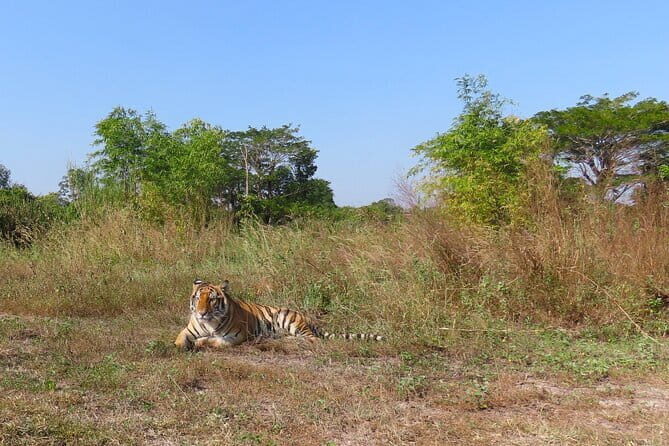
- Big-cat rescue context at the Thailand Tiger Rescue Centre, including tigers and other cats
- Buffet lunch at I Love Phants Lodge with views over the elephant refuge
- Small group size (max 27) keeps the day feeling manageable and personal
A wildlife rescue day trip from Hua Hin that explains the why
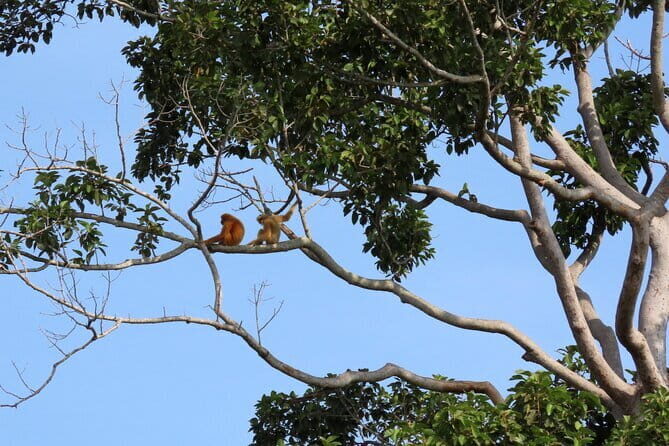
This is one of those tours where you leave with your head full, not just your camera full. The idea is simple: you see animals that were rescued, then you learn what happens after rescue. That matters, because wild-life “care” can range from real rehabilitation to pure spectacle. This tour is built around the care side.
You’ll spend most of your day at Wildlife Friends Foundation Thailand, often referred to as Asia’s biggest in its field. The programme is structured so you don’t just pass through enclosures. You’re guided through what the rescue centre, the elephant refuge, and the wildlife hospital are doing, and why.
If you’re the type who likes a clear storyline, this is a good match. You’ll go from rescue and housing to hospital care to big-cat rescue work, with lunch in between.
You can also read our reviews of more tours and experiences in Hua Hin

Wildlife Friends Foundation Thailand: rescue centre, elephant refuge, and hospital care
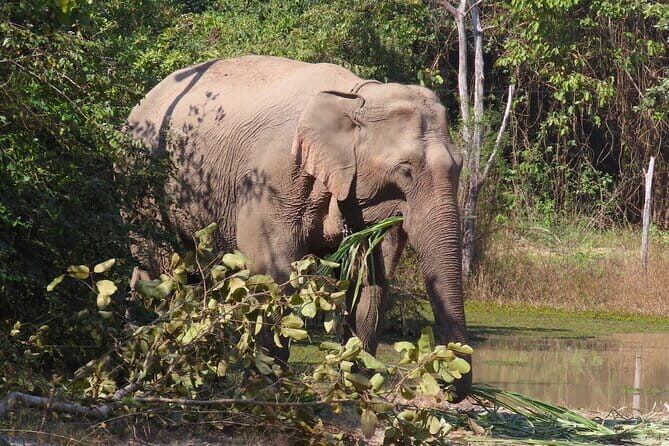
Stop 1 is the heart of the trip. At WFFT, you’ll visit the Wildlife Rescue Center, the Elephant Refuge, and the Wildlife Hospital. The day is designed for you to see how the foundation handles different needs, not just how many animals they can display.
You can expect to see hundreds of rescued wild animals in their care. And because the visit includes the hospital and refuge areas, it’s not only about watching. You’ll get the background on how animals end up there and what care looks like once they are safe.
What makes this stop especially valuable is the mix of spaces:
- Rescue centre areas help you understand the start of the process.
- The elephant refuge focuses on long-term welfare, where the goal is living conditions that don’t treat elephants like props.
- The wildlife hospital adds the medical reality. Even when animals look calm in a pen, injury and recovery are often part of the story.
I also like the way the tour frames it as a system, not a single photo opportunity. It’s easier to appreciate the work when you see more than one function in the same visit.
Practical tip: wear light, comfortable clothes and plan for walking. This is not a sit-and-watch museum day. You’ll want good sun protection because you’re outside much of the time.
Thailand Tiger Rescue Centre and Stripes Restaurant: what happens to big cats after rescue
Stop 2 shifts from elephants to big cats. You’ll go to the Thailand Tiger Rescue Centre, with tigers and other cats such as leopards and fishing cats mentioned in the tour description. The tour also presents the behind-the-scenes angle, which is useful because it explains how rescue centres operate day-to-day.
The key thing here is the rescue origin. The big-cat programme is presented as receiving animals from illegal trade and also from injured situations. That context helps you interpret what you’re seeing. It’s not just spotting a tiger behind a barrier. You’re being shown why these facilities exist and how they manage rescued animals.
You’ll also stop at Stripes Restaurant during this segment. The tour doesn’t position this as a long sit-down meal stop, but it’s still a chance to refuel, use the restroom, and reset before lunch later.
How long is this part? It’s planned as about 2 hours. That’s long enough to get real information without eating up the whole day.
I Love Phants Lodge: buffet lunch with a view of elephant refuge life
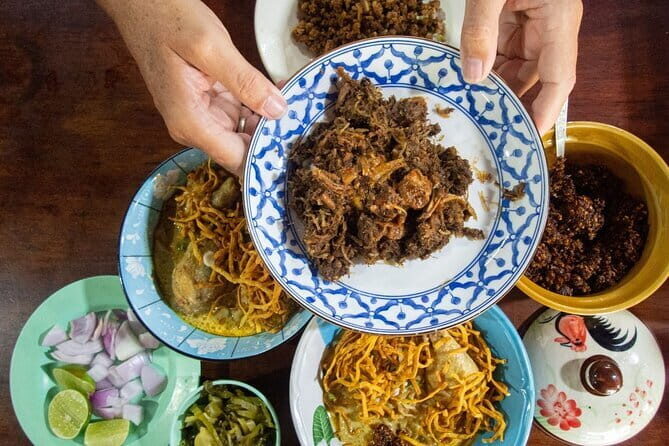
Stop 3 is the lunch break, and it’s built into the day in a pleasant way. You’ll join a buffet lunch at I Love Phants Lodge, in a setting that looks out over the WFFT elephant refuge. Lunch is included, and the overall idea is that you can enjoy food while still staying connected to the main theme of the trip.
This stop is worth it even if you don’t care about buffets. A view of the elephant refuge is a reminder that this isn’t only a lecture day. You’re still in the animals’ world while you eat.
Timing-wise, you’re looking at about 1 hour here, so don’t expect a slow restaurant afternoon. But it’s a good pace break, and it keeps the schedule moving so you’re not rushed through the earlier stops.
Practical tip: if you’re sensitive to heat, this is a smart moment to pace yourself with water before you head into the next viewing areas.
Price and value: what $64.85 buys you in a full day
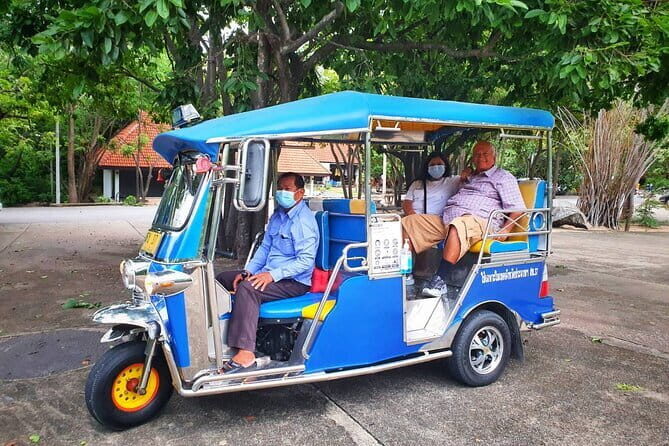
The price is $64.85 per person, and it’s usually a good deal if you factor in what’s included. The tour covers an air-conditioned vehicle, lunch, and all fees and taxes. You’re also getting a structured itinerary that’s designed around multiple sites rather than one stop.
Here’s where the value comes from:
- You’re paying for access plus interpretation, not just transport.
- Lunch is included, which can be a real savings over buying your own meal near tourist sites.
- The tour is capped at 27 travelers, which tends to feel more manageable than huge group outings.
You still need to budget a little for personal spending. Alcoholic beverages and souvenirs are not included, so if you like a drink with lunch or you plan to shop, you’ll want to bring extra cash or a card.
Also, because this is a rescue-focused day, it’s often the kind of experience where you get more satisfaction from the learning than from a checklist of attractions. If that’s your style, this price can feel fair.




Schedule and group size: how the 6 to 7 hours typically feels
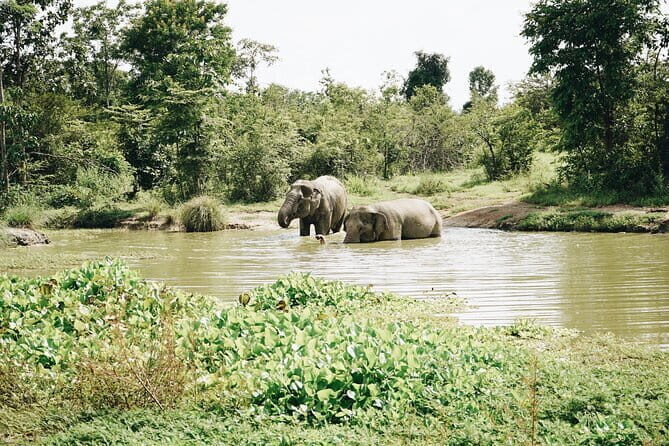
This is a 6 to 7 hour experience that starts at 8:00 am. Early start helps you beat the worst heat and get more comfortable viewing conditions.
The tour runs with a maximum of 27 travelers. In practice, that matters for how the day feels. Smaller groups usually mean less waiting around for everyone to catch up, and it’s easier to hear your guide during the explanation parts.
Also, pickup is offered. That’s a convenience win in Hua Hin, especially if you don’t want to deal with transport between three locations on your own.
One more logistics note: it’s a mobile ticket experience, and confirmation is received at the time of booking. That means you can travel lighter and spend your brainpower on the day itself.
Responsible wildlife etiquette: how to enjoy this day the right way

Even when a tour is well-intentioned, your behavior still matters. This is a responsible and non-exploitative approach, but you can help by treating it like a care facility, not a theme park.
Here’s what I recommend:
- Keep your attention on the guide’s instructions, not on pushing for extra photos.
- Avoid sudden movements or loud noises near animals.
- Don’t block paths or crowd viewing spots. If you get a good view, stay put rather than inching forward every few seconds.
- Take in the hospital and refuge context. It helps your photos mean something.
If you’re tempted to compare this to animal shows, try to judge it by the purpose. This day is about rescue and long-term welfare, and that perspective makes the whole thing land differently.
Getting around, language, and comfort tips that actually help
You’ll ride in an air-conditioned vehicle, which is a must in Thailand. Service animals are allowed, and the tour is near public transportation, which can help if you’re arranging your own extra time before or after.
Language is where you should pay attention. The tour runs in English and Thai only. If you rely on French (or another language), you may find it tough to follow the explanations. Plan to use your own translation help if needed, or focus on the visual parts of the visit.
What to bring:
- Sun protection (hat, sunscreen, sunglasses)
- Comfortable walking shoes
- Water (even if lunch is included)
- A light layer if you get chilly in the vehicle
Also, if you’re sensitive to road stress, you’ll be in a van for several hours. Seatbelt on, stay calm, and let the day unfold.
One more driving note: an earlier concern was raised about driving style. The operator’s response said vehicle speed is monitored with GPS monitoring and alarms, and they checked the logs. They also noted phone use occurred twice while driving, which is a good reminder to buckle up and keep your own comfort in mind.
Who should book this tour, and who might skip it
I’d book this tour if you want:
- A rescue-focused day in Hua Hin with real context about animal welfare
- Elephant and big-cat encounters that are framed around care
- A schedule with multiple stops and included lunch
You might skip it if:
- You only want a short, low-walking activity.
- You need explanations in a language other than English or Thai.
- You’re looking for pure leisure sightseeing with no emotional backstory.
Should you book this Wildlife Rescue Center tour?
If your goal is to see animals responsibly and learn how rescue work functions, this is a strong pick. The value is clear: you get transport in an air-conditioned vehicle, a full lunch, and entry into major parts of WFFT plus the big-cat rescue centre.
My decision rule is simple: if you’re okay with a day that includes serious animal-welfare stories and you’ll pay attention to the explanations, you’ll likely feel satisfied. If language matters a lot for you, confirm your comfort with English or Thai before booking.
Book it when you want meaning, not just photos. And come prepared to walk, look, and listen.
FAQ
How long is the Wildlife Rescue Center tour?
The tour runs about 6 to 7 hours.
What does the $64.85 price include?
Lunch, air-conditioned vehicle transport, and all fees and taxes are included.
Is lunch included in the tour?
Yes. Lunch is included and served as a buffet at I Love Phants Lodge.
Is pickup included?
Pickup is offered. You’ll want to check the pickup details when you book.
What languages are the guides using?
The tour explanations are provided in English and Thai only.
Is free cancellation available?
Yes. You can cancel up to 24 hours in advance for a full refund.