REVIEW · HUA HIN
Your Introduction to the Thai Kitchen
Book on Viator →Operated by Thai Cooking Course Hua Hin · Bookable on Viator
Thai cooking starts at the market.
This is a hands-on 4-hour Thai food experience in Hua Hin that mixes ingredient shopping with real cooking time at a purpose-built kitchen. You’ll start at a local 100-year-old market, then head to the cooking school in an open-air pickup truck. I love that it’s set up for beginners without feeling basic, and you’ll get a clear game plan for spices and techniques from start to finish. One heads-up: the market includes a fish market area, so you’ll want footwear that can handle wet spots.
You learn by doing, not by watching from a distance. The class moves fast but stays organized, with close instruction and plenty of chances to slice, stir, and cook. I’m also a fan of the value here: you’re not just tasting Thai food, you’re eating a full meal you made yourself, plus snacks and drinks. The only real drawback to plan for is the early start and the active walking at market time, so if you’re hoping for a laid-back morning, this may feel a bit busy.
In This Review
- Key Highlights You’ll Actually Care About
- Chatchai Market: your morning shortcut to Thai flavors
- From Hua Hin to the cooking school: pickup comfort and a calmer reset
- The menu you’ll cook: curry, tom yum, pad thai, and coconut dessert
- Curry
- Tom yum soup
- Pad thai
- Coconut cream dessert
- How the class feels in real life: stations, step-by-step teaching, and eating on schedule
- Price and value: is $61.96 a fair deal for 4 hours of Thai cooking?
- What to wear, what to bring, and when this tour works best
- Wear
- Bring
- Best for
- Consider if
- Should you book the Thai Kitchen cooking course in Hua Hin?
- FAQ
- What is the duration of the Thai cooking experience in Hua Hin?
- Where does the tour start and end?
- Is pickup included?
- How many people are in the group?
- What dishes will I cook?
- What’s included in the price?
- Are alcoholic drinks included?
- Can I cancel for a full refund?
Key Highlights You’ll Actually Care About
- 100-year-old market ingredient shopping so you know what you’re buying (and why) before you cook
- Small group feel with a maximum of 15 travelers, plus hands-on stations for each person
- Classic menu you can repeat at home: curry, tom yum, pad thai, and a coconut cream dessert
- Open-air pickup truck transport between market and school, with time to relax at the venue
- Full meal included: lunch, snacks, coffee and/or tea, and bottled water
- Take-home proof and guidance with a recipe booklet and certificate of completion
Chatchai Market: your morning shortcut to Thai flavors
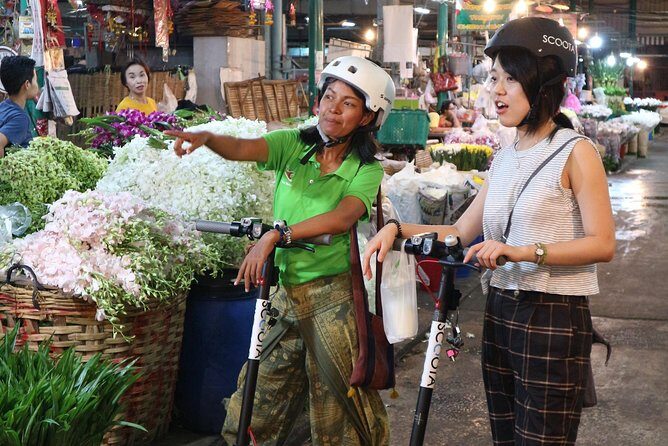
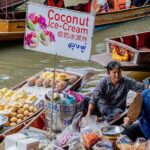
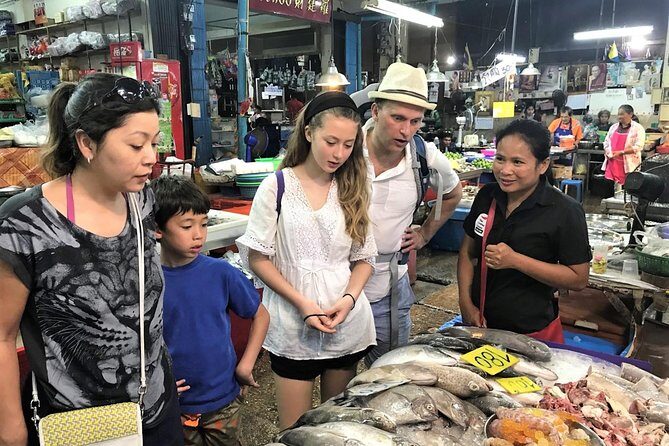
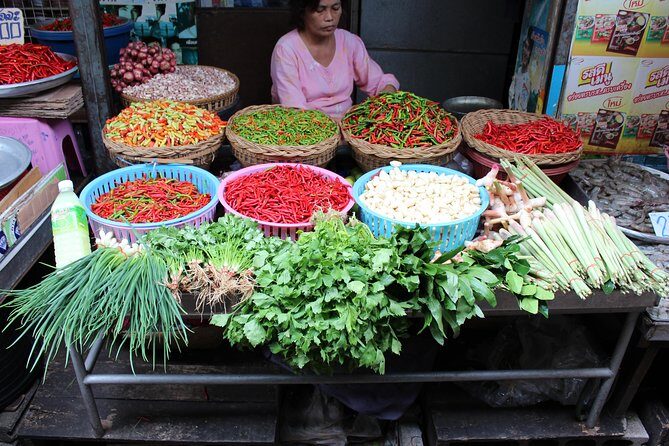
Your day begins at the Hua Hin Clock Tower meeting point around 9:00 am, then you’ll head into town to start shopping at Chatchai Market, known locally as a 100-year-old market. This is one of those places where you learn by looking, smelling, and asking quick questions. You’re not just walking past ingredients like a museum visit. You’re building your shopping instincts.
What I like most about starting here is how it turns Thai cooking from abstract into practical. You see how Thai cooks build flavor—herbs, aromatics, dried spices, pastes, and fresh items that may look “mysterious” at a supermarket. The experience is designed so you can spot what matters, not just what’s colorful.
A detail that can save you comfort: the market experience can include a fish market area. One of the most repeated practical tips is to wear closed shoes. Closed shoes help for wet patches and crowded aisles, and they keep your feet happier when you’re walking more than you expected.
You’ll also get a chance to handle and check ingredients while you’re guided through what to buy and how to use it. That matters because Thai cooking relies on balance: sour, salty, spicy, and fragrant. If you only learn the dishes after you’ve already left the market, you often forget how the ingredients connect.
What to expect at market time
- Short guided stops where you learn what each ingredient does
- Time to taste or sample items along the way (especially herbs and spice-like things)
- Shopping that ties directly into what you’ll cook later
The market part is also a social warm-up. You’ll be doing this alongside a small group, so questions come easy, and you start the cooking class already in a “team” mood.
You can also read our reviews of more tours and experiences in Hua Hin.

From Hua Hin to the cooking school: pickup comfort and a calmer reset
After the market, you travel to the Thai Cooking Course Hua Hin. Your transport is part of the charm: you go in an open-air pickup truck, which gives the ride a local feel without being overly long. If you’re coming from Hua Hin Town, pickup and drop-off are included within that area, so you don’t have to figure out taxi math.
Once you reach the school, the pace shifts. This is where the experience turns from walking and learning to organized kitchen work. There’s also downtime built in. You might sip coffee or tea and relax around a koi pond while things get set up for your group.
That reset is more important than it sounds. Cooking classes can feel chaotic when the group is hungry and the ingredients are still being staged. Here, the venue setup gives you time to get comfortable before knives hit boards.
The group size matters too. The class keeps a maximum of 15 travelers, which usually means less standing around and fewer people fighting for attention. In one of the class accounts, the teaching setup is described like a system where multiple students share stations with strong instructor attention. Practically, that means you’ll get help when you need it, and you won’t spend the whole session waiting for someone to notice you.
The menu you’ll cook: curry, tom yum, pad thai, and coconut dessert
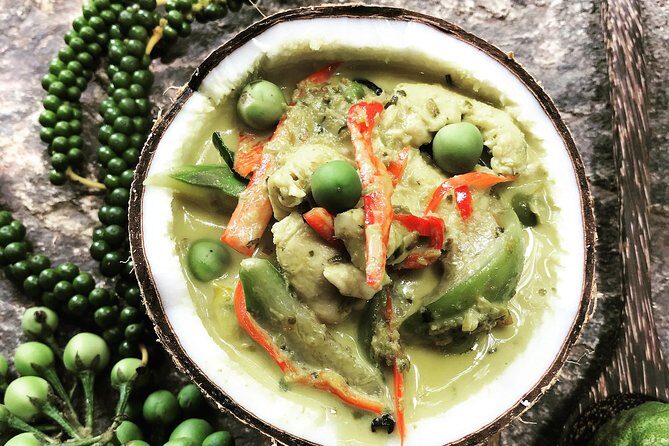
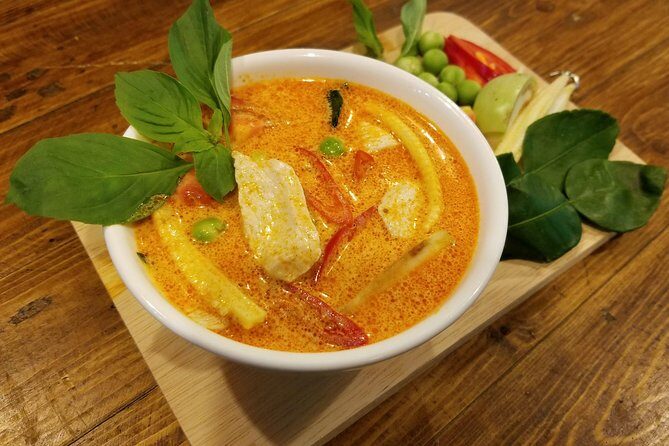
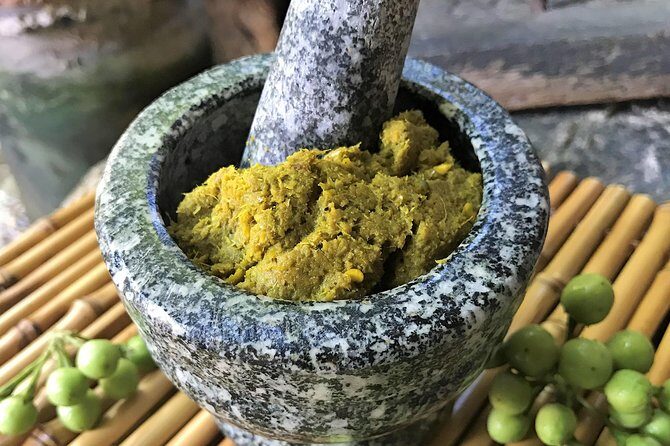
This is not a “one dish only” class. You’ll learn to prepare a full set of Thai favorites over about 4 hours: curry, tom yum soup, pad thai, and a dessert made with coconut cream.
Here’s the real value of this menu choice. These dishes cover the big flavor ideas in Thai cooking:
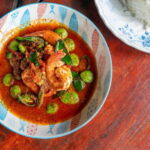
- Curry teaches how Thai cooks build depth with aromatics and seasonings
- Tom yum shows sour-spicy balance and how the broth gets its character
- Pad thai connects noodles with sweet, salty, and tangy components
- Coconut dessert gives you a gentle finish so the whole meal feels complete
Curry
You’re not just stirring a sauce. You’ll learn the flow of cooking steps that make curry taste like curry—fragrance first, then developing flavor, then finishing in a way that keeps things tasting lively. The class is set up with enough prep so you can focus on technique rather than spending the entire session chopping raw herbs.
Tom yum soup
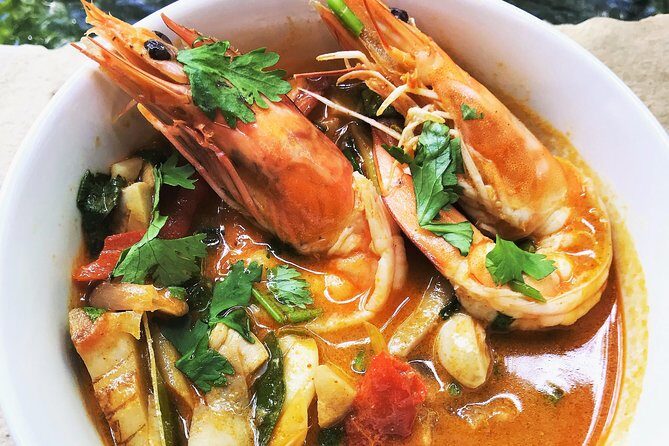
Tom yum is where sour and heat have to work together. The class approach is designed to help you recognize what’s happening as flavors build, not just when to stop cooking. If you’ve had tom yum before and wondered how it gets so intense, this is the dish that teaches that logic fast.




Pad thai
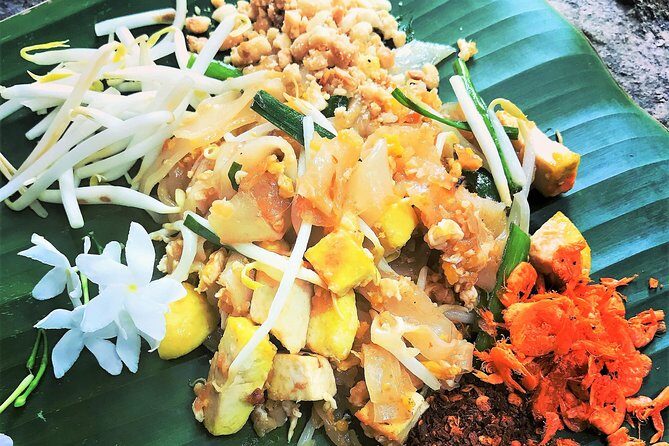
Pad thai often gets made “wrong” at home because people rush noodles or skip the sauce balance. In class, you’ll get practical guidance on timing and how to keep noodles from turning into a clump. If you want a dish you can cook for friends later, pad thai is usually the winner.
Coconut cream dessert
This is the payoff course. A coconut cream dessert turns the whole session into something you’d actually crave after cooking spicy dishes all morning. It also helps you understand how coconut softens heat and rounds out the meal.
How the class feels in real life: stations, step-by-step teaching, and eating on schedule
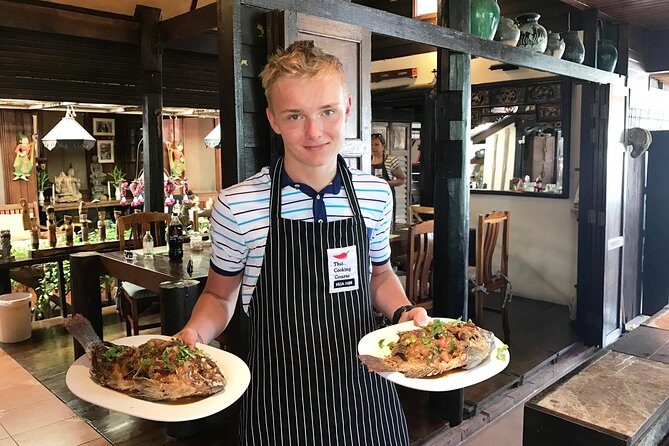
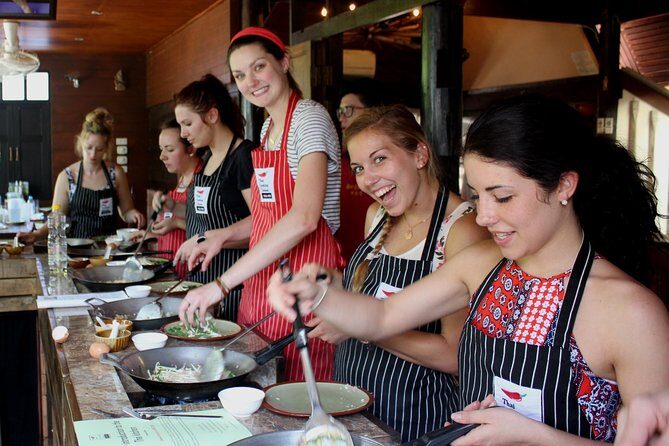
The cooking school setup is built for movement. You’ll work at your own prep and cooking station, which is a big deal for learning. Watching someone else cook is nice, but you only really improve when you’re doing it yourself, and this class gives you that hands-on time.
The teaching style seems intentionally structured. In multiple accounts, students describe the process like a well-run system where ingredients are prepped enough to keep things smooth, then you do the slicing, dicing, and cooking yourself. That balance is what makes it beginner-friendly. You’re not thrown into a kitchen where everything is raw, unknown, and timed like a pressure test.
Expect clear instruction and modeling. Some instructors and guides are specifically named in class reports. One guide described as calling herself Ooh La La leads the market portion and then supports the cooking day with teaching. Another instructor mentioned as O teaches during the class. Owners and staff like Greg and Greg’s business background also come up, which suggests you’re not dealing with a random script—this is an operation with real people behind it.
After cooking, you eat what you made. That’s key. This is a meal, not just a cooking demo. Lunch is included, and the class also includes snacks along the way. Drinks are part of the package too: bottled water plus coffee and/or tea.
You’ll finish with a recipe booklet so you can recreate the dishes later. You also get a certificate of completion, which may sound small, but it’s a nice touch when you’re taking a class like this and want a keepsake that you actually completed.
Price and value: is $61.96 a fair deal for 4 hours of Thai cooking?
At $61.96 per person for about 4 hours, this class lands in the “good value” zone for Hua Hin. The price isn’t just paying for a chef to show off. You’re paying for multiple components at once:
- Market shopping with guided ingredient education
- Transportation within Hua Hin Town for pickup and drop-off
- A full cooking session with multiple dishes
- Lunch plus snacks, plus coffee/tea and bottled water
- A recipe booklet and certificate of completion
If you only think in terms of food, the included meal plus drinks can already make the math feel reasonable. If you think in terms of skill-building, the value gets stronger. You’re learning ingredients, technique, and flavor structure in a way you can use again later, and you’re leaving with printed recipes.
One more value angle: group size. With a maximum of 15 travelers, you’re likely to get more instructor attention per person than in the huge classes that feel like a conveyor belt.
What’s not included is also clear. Alcoholic and soft drinks aren’t included, though they can be purchased. So if you like to pair meals with a drink, plan on extra spending.
What to wear, what to bring, and when this tour works best
This experience is simple, but a few practical choices matter.
Wear
- Closed shoes for the market area (fish market conditions)
- Comfortable clothes you can move in
- Something you don’t mind getting a little food-air on, because you’ll handle aromatic ingredients
Bring
- A light layer if you get chilly in AC areas after morning heat
- A camera or phone for market scenes and your finished dishes
Best for
You’ll get the most out of this if you fall into one of these groups:
- You’re a food lover who wants to learn flavor logic, not just copy recipes
- You’ve never cooked Thai before and want structured guidance
- You want a fun morning activity that ends with a real meal
- You’re traveling with friends or family and want everyone to participate
Consider if
- You don’t like early starts or walking through a market environment
- You prefer purely indoor activities
This class has a friendly, organized energy, but it’s still a morning market and a hands-on cooking session. It’s not a slow spa-style tour.
Should you book the Thai Kitchen cooking course in Hua Hin?
If your goal is to leave Hua Hin with food knowledge you can actually use, I’d book this. The combination of market ingredient education, small-group hands-on cooking, and eating a full set of dishes you made yourself is exactly the kind of tour that feels worth the money.
I’d especially choose it if you want a clear path into Thai cooking: you’ll shop for ingredients you recognize later, then cook curry, tom yum, pad thai, and coconut cream dessert without guessing. Add in the included lunch, snacks, bottled water, and coffee/tea, plus the recipe booklet and certificate, and it’s a strong package for a half-day commitment.
One final practical note: come ready to work. Bring closed shoes, don’t overeat beforehand, and expect to leave satisfied and a little proud that you made Thai classics with your own hands.
FAQ
What is the duration of the Thai cooking experience in Hua Hin?
It runs for about 4 hours.
Where does the tour start and end?
It starts at the Hua Hin Clock Tower (HXC4+7VJ, Hua Hin) and ends back at the meeting point.
Is pickup included?
Yes. Pickup and drop-off within the Hua Hin town area are included.
How many people are in the group?
The experience has a maximum of 15 travelers.
What dishes will I cook?
You’ll prepare Thai dishes including curry, tom yum soup, pad thai, and a dessert made with coconut cream.
What’s included in the price?
Included items are bottled water, pickup and drop-off within Hua Hin town, a recipe booklet, a certificate of completion, lunch, snacks, coffee and/or tea, and shopping with the group at the 100-year-old market.
Are alcoholic drinks included?
No. Alcoholic and soft drinks are not included, though they may be available to purchase.
Can I cancel for a full refund?
Yes, you can cancel up to 24 hours in advance for a full refund. If you cancel less than 24 hours before the start time, the amount paid isn’t refunded.