REVIEW · HUA HIN
Historic River Kwai Bridge Full Day Join Tour from Hua Hin
Book on Viator →Operated by Ken Diamond Co.Ltd Tour & Travel · Bookable on Viator
The River Kwai Bridge hits hard. You’re going from Hua Hin into the Kanchanaburi area for a long day that mixes rail, river, museums, and memorials into one emotional timeline. I especially like the historic train ride along the river and the way the day connects the bridge story to the human cost of the Death Railway. The main drawback is the long, 11–12 hour day with real walking steps—if you have mobility limits, you’ll want to think twice.
You’ll start early (6:30 am) and spend much of the day in a vehicle. The tour is built around a tight set of stops and a small group size (max 9), which helps you actually hear your guide and move without a circus. One more consideration: the museums can feel a bit dated, and lunch quality seems to vary.
Still, if you want one organized day that covers the big landmarks—the bridge, the POW history, the rail line, and the cemetery—this is a solid value package. The experience is run by Ken Diamond Co. Ltd Tour & Travel, with an English-speaking guide experience that people often praise (you may see names like Jack, Pom, or Mr. Bao mentioned).
In This Review
- Key moments that make this day tour worth your time
- Getting to Kanchanaburi: the long road, the manageable day
- Standing on the Bridge on the River Kwai (and understanding why it matters)
- JEATH War Museum: POW history presented in recreated quarters
- Riding the Kwai River by train: scenery with heavy context
- Lunch at a local restaurant, then Death Railway time near Krasae Cave
- Kanchanaburi War Cemetery: where the day slows down
- Price and logistics: what $92.48 buys you (and what it won’t)
- Who this tour fits best (and who should skip it)
- Should you book the Historic River Kwai Bridge Full Day Join Tour from Hua Hin?
- FAQ
- What time does this tour start from Hua Hin?
- How long is the tour?
- Does the price include admission tickets and lunch?
- Is pickup included?
- What transport experiences are included?
- Is this tour suitable for people with mobility issues?
Key moments that make this day tour worth your time
- A very early 6:30 am departure from Hua Hin so you get to the main sites without losing the day.
- River Kwai Bridge time plus walking access so you can stand where the legend became global.
- JEATH War Museum with POW reconstruction scenes tied directly to the Death Railway story.
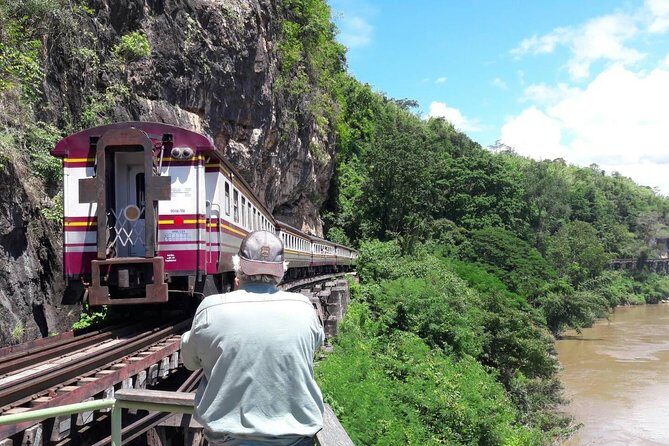
- A historic train ride along the Kwai River that mixes scenic river views with the grim rail history.
- Kanchanaburi War Cemetery stop for a calmer, respectful end to the day.
- Small group size (max 9) which usually makes the pacing feel more human than a big bus tour.
Getting to Kanchanaburi: the long road, the manageable day
This is an 11 to 12 hour full-day tour, and it starts early at 6:30 am. From Hua Hin, the drive to the Kanchanaburi area takes about 2.5 hours (some people note it can feel closer to 3 hours), so plan to treat the bus ride as part of the experience, not something you’d rather skip.
The car is air-conditioned and the tour includes bottled water, which matters on Thai humidity-heavy mornings. You’ll want to bring your own snacks if you’re the type who gets hungry mid-drive, even though lunch is included later. The group size capped at 9 also helps—your guide can actually keep track of people and reroute minor timing glitches without turning it into chaos.
One practical note: a few reviews mention driving speed and one mentioned bus noise that made conversation tough during the ride. That’s not something you can fully control, so pack light earplugs if you’re sensitive, and use the early stops to reset your patience.
You can also read our reviews of more historical tours in Hua Hin
Standing on the Bridge on the River Kwai (and understanding why it matters)
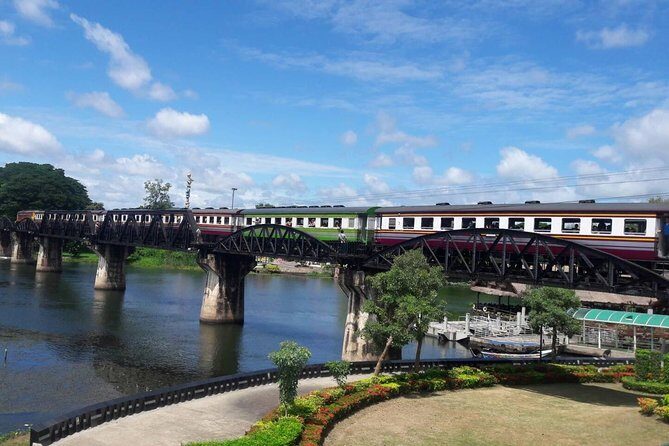
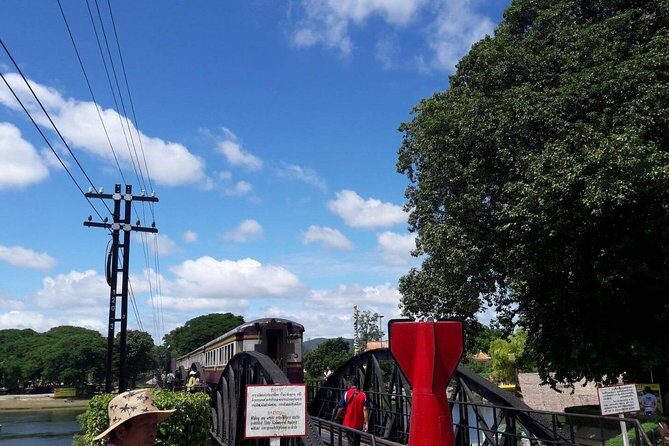
The first big stop is the River Kwai Bridge, with about 30 minutes on site. This is one of those places where pop culture meets reality: the bridge became famous through Pierre Boulle’s book and the film adaptation, but you’re there to connect that legend back to wartime history.
You’ll have time to view the structure and walk around the area, which is the part that most people remember. Even with only half an hour, I like that you get real “stand here” time instead of just a photo stop through a bus window.
If you’re sensitive to memorial-heavy settings, this may feel intense right away. The bridge is famous, but it’s also tied to forced labor and the broader Death Railway story. That tone is carried into later stops, so the emotional pacing ramps up rather than staying neutral.
JEATH War Museum: POW history presented in recreated quarters
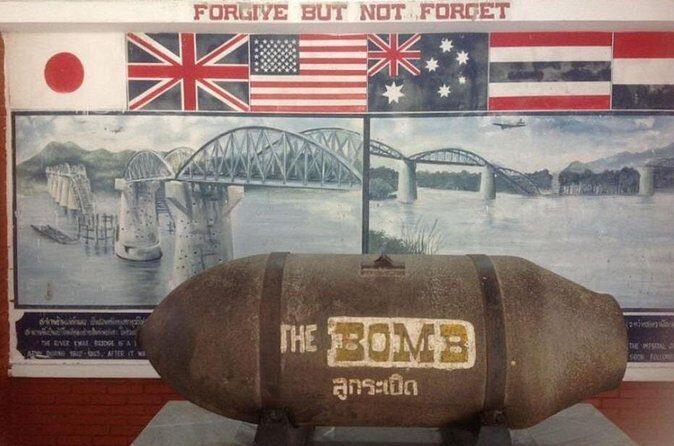
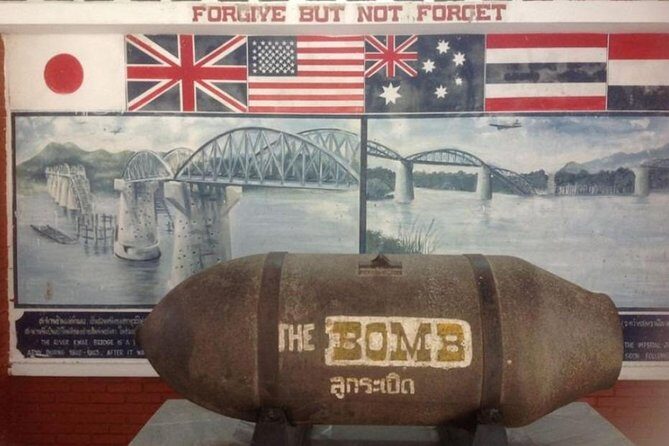
Next comes the JEATH War Museum, with about 1 hour there and admission included. The museum is split into two sections: one focuses on the construction of the Death Railway, and the other recreates the quarters used by Allied POWs.
What I like about this stop is that it gives you a more human scale than just looking at rail lines and dates. Even if you don’t read every label, the layout pushes the story forward: the rail wasn’t abstract—it was built under brutal conditions, and the “why” is front and center.
A few people note the museum can feel dated, but I’d still call it worthwhile. When a site is older, it often means you get fewer modern interactive elements and more straightforward displays—sometimes that’s easier, because you’re not juggling screens while trying to understand suffering.
Riding the Kwai River by train: scenery with heavy context
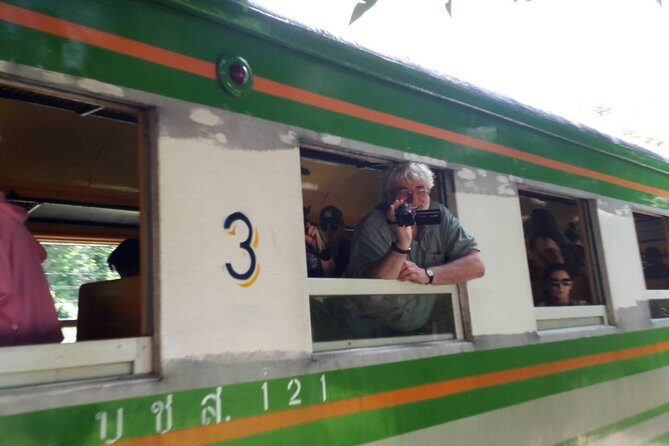
Then you get a historic train ride along the River Kwai route, about 1 hour. This is one of the best “how do I describe this?” parts of the day: you’re traveling past riverside scenery while your guide ties the track to the Death Railway, including the sheer number of lives lost during construction.
You’ll also see river activity along the way, and the ride is often described as passing floating house boats and jungle-adjacent scenery. It’s beautiful in the moment, which makes the history hit harder. That contrast is exactly what makes the train segment memorable instead of just another transport transfer.
This is also the best time to pay attention to your guide. If you miss the narration here, you may still enjoy the ride, but you’ll feel less of the connection between scenery and story. I suggest sitting where you can see forward and sideways views of the water.
There’s one more practical thought: some days run long and the train isn’t a way to fully rest. Bring a water sip habit, and keep your phone battery for photos, because once you leave the rail portion, you’re moving again.
Lunch at a local restaurant, then Death Railway time near Krasae Cave
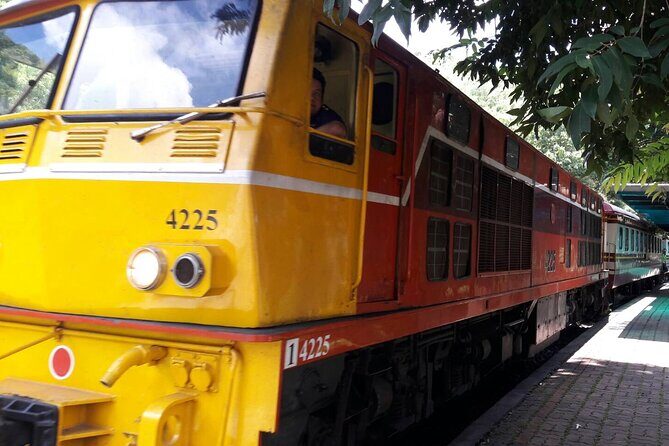
After the train ride, you’ll head to the Krasae Cave area where lunch is served at a local restaurant. Lunch is included, and it’s described as a Thai buffet, so you’ll get a mix of Thai dishes rather than one set meal.
Here’s the honest part: lunch quality seems to vary. Some people call it delicious and in a good river view setting, while others say the food wasn’t very good. My advice is to treat lunch as included energy, not a culinary highlight. Eat what you can enjoy, fill up, and save your expectations for the sites that drive the emotional weight of the day.
Following lunch, you’ll spend around 2 hours in the Death Railway portion of the experience after the Krasae Cave stop. The Death Railway is the heart of the narrative: estimates vary, but more than 60,000 prisoners were enslaved to build it, and around 13,000 are believed to have died. You’ll see why the name sticks.
This part of the day is less about comfort and more about attention. Wear shoes you trust, and be ready for the history to feel close—especially if you’re the type who reads surroundings and connects them to what happened here.
You can also read our reviews of more tours and experiences in Hua Hin

Kanchanaburi War Cemetery: where the day slows down
Your final major stop is the Kanchanaburi War Cemetery (also called the Kanchanaburi War Cemetery). You’ll spend about 45 minutes here, and admission is free.
This cemetery contains the remains of 6,982 Australian, Dutch, and British war prisoners who lost their lives during the construction of the Death Railway. That number is the kind you remember, and it changes the way you look at everything you saw earlier—from the bridge to the railway story and the recreated POW sections.
I like ending this tour with the cemetery because it gives your brain a landing spot. After visiting museums and viewing history sites, you finally get a place built for reflection. If you find yourself unusually quiet here, that’s normal. It’s a somber ending in a beautiful setting, and the day’s main emotion shifts from learning to honoring.
Price and logistics: what $92.48 buys you (and what it won’t)
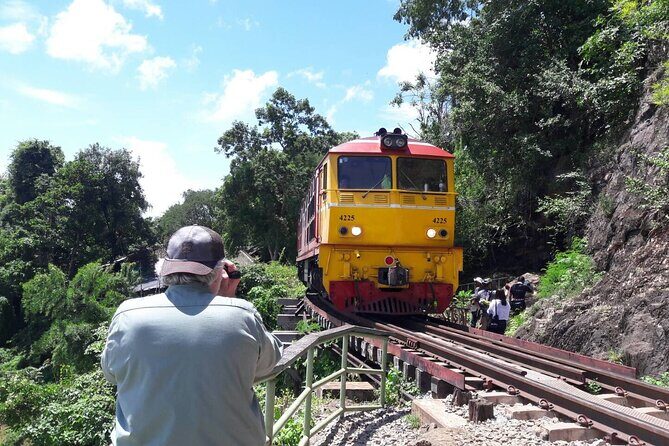
At $92.48 per person, you’re paying for a long-distance day out with transport, multiple admissions, and at least one major paid experience: the train ride. You also get bottled water, lunch, and an air-conditioned vehicle, which reduces the usual “small add-ons” that inflate full-day trips.
What’s not included is coffee or tea, alcohol, and tips. That’s fairly standard, but the practical point is that you might spend extra if you expect drinks throughout the day. Bring cash for snacks only if it fits your style, but you may not need much beyond what’s provided.
Logistics are mostly straightforward: pickup is offered, and you’ll use a mobile ticket. The tour maxes at 9 people, which helps with pacing and makes the guide’s explanations easier to catch.
The biggest downside is time and stamina. The day runs long, and there are notes about steps around the boat/dock area—one review specifically warns that there’s a long step down into a boat and a big step back up onto a dock with a narrow, unsafe step. If you rely on a cane or other aid, I’d treat that warning seriously and consider a different tour style.
Who this tour fits best (and who should skip it)
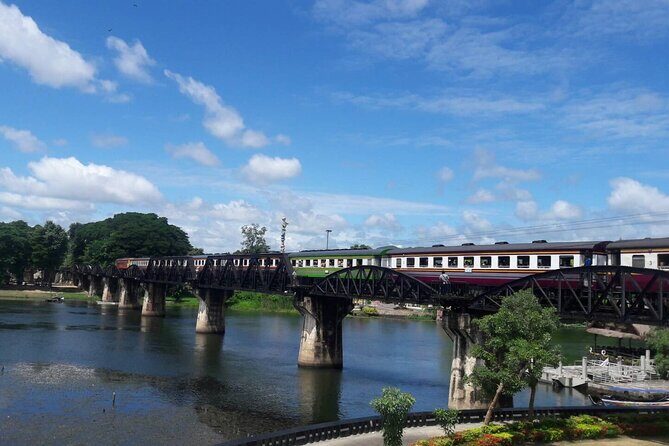
This tour is best for you if you want one organized day that hits the River Kwai Bridge, JEATH War Museum, the train ride, Death Railway history, and the war cemetery—without planning transport between each stop yourself.
You’ll also enjoy it if you like guided context. Multiple guides are mentioned in feedback (people name Jack, Pom, and Mr. Bao), and the consistent theme is that the narration makes the day more than sightseeing.
I’d be cautious if:
- You have mobility challenges due to steps and narrow dock access.
- You don’t do well with long days (this is 11–12 hours).
- You expect top-tier food as the day’s highlight (lunch quality seems mixed).
If you want history with a strong emotional tone and you don’t mind a packed schedule, this works.
Should you book the Historic River Kwai Bridge Full Day Join Tour from Hua Hin?
Book it if you want a structured, value-priced day that connects the River Kwai Bridge legend to the Death Railway reality, with a historic train ride and a cemetery stop that brings the story to a respectful close. The small group size and included admissions make it easy to commit without micromanaging logistics.
Skip or look for alternatives if mobility is a concern, because steps around water access can be tricky. And if you’re tired of war-history settings, this tour may feel heavy—there’s no way to make the Death Railway story light.
If you match the kind of traveler who likes meaning over comfort, you’ll probably feel you got your money’s worth out of the time you spend here.
FAQ
What time does this tour start from Hua Hin?
The start time is 6:30 am, so you should plan an early pickup and a quick breakfast before being collected.
How long is the tour?
It runs about 11 to 12 hours total.
Does the price include admission tickets and lunch?
Yes. The tour includes all fees and taxes, bottled water, lunch, and admission tickets where applicable (with some stops listed as free).
Is pickup included?
Pickup is offered, and you’ll receive a confirmation at booking time.
What transport experiences are included?
You’ll include a historic train ride along the River Kwai route, with a full day of travel between several sites.
Is this tour suitable for people with mobility issues?
If you have mobility issues, use caution. One review specifically warns about long steps and a narrow, unsafe dock step related to boat access.


![Top 3 Must-see Temples in Bangkok Private Tour [Optional Luxury] - Hotel Pickup and Private Timing in Bangkok Traffic](https://b.exploringbangkok.com/wp-content/uploads/top-3-must-see-temples-in-bangkok-private-tour-optional-luxury.jpg)