REVIEW · BANGKOK
Small-Group: Unseen Bangkok’s Chinatown Walking Tour
Book on Viator →Operated by LJ Tour Co.LTD. · Bookable on Viator
Bangkok hides a quieter Chinatown. This Bangkok Chinatown walking tour takes you through Sampeng Market’s tight lanes and everyday shop life, then threads in temples, shrines, and a street-art stop. It runs about 3 to 4 hours and keeps the group small, so you’re not just another face in a crowd.
I especially like the food tastings and the way the guide turns landmarks into real community stories, like the comments many people made about guides such as Bobby and Mai. One thing to consider: if you’re expecting a straight-up shopping marathon with heavy bargaining time, this tour reads more history-and-snacks than shopping-only.
In This Review
- Key things to know before you go
- Entering Bangkok’s Chinatown from the side streets
- Getting there: Hua Lamphong at 10:00am, then you’re off
- What the 3 to 4 hours actually include
- Temples, a hidden school, and why the backstory matters
- Sampeng Market’s alleys: where the tour turns practical
- A former red-light district stop: history, not sensationalism
- The 150-years-old fresh market stop
- Snacking and coffee breaks that keep the pace sane
- Lunch at a restaurant that has been open for 30 years
- Price and value: what $52.14 buys you here
- Who should book this tour (and who should rethink it)
- Practical tips so you enjoy every stop
- Final verdict: should you book Unseen Bangkok’s Chinatown tour?
- FAQ
- How long is the Small-Group Unseen Bangkok’s Chinatown Walking Tour?
- What time does the tour start?
- Where do I meet the guide?
- How large is the group?
- Is there a mobile ticket?
- What’s included in the price?
- Is lunch included?
- Are drinks included with lunch?
- Does the tour run in bad weather?
- Can I get a full refund if I cancel?
Key things to know before you go
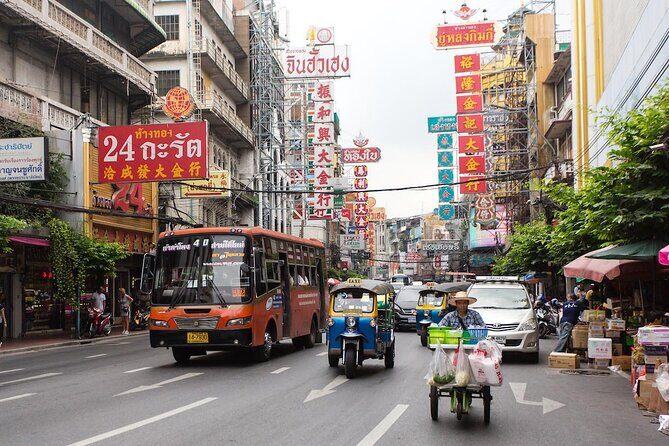
- Small-group pace (up to eight) means more questions and more time at the sites that matter
- Sampeng Market alley time gives you a practical feel for how the area works day to day
- Temple and shrine stops are paired with context, not just photos
- Street food sampling plus a sit-down lunch helps you stay fueled without planning meals
- Old buildings and side streets often feel more local than the main Yaowarat drag
- Comfort matters: it’s a walking tour, with time outdoors even when the weather isn’t perfect
Entering Bangkok’s Chinatown from the side streets
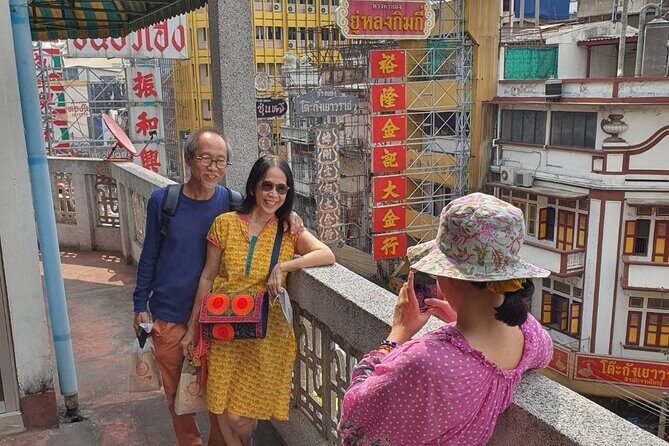
This tour’s biggest gift is direction. Bangkok’s Chinatown can feel chaotic when you arrive on your own: which alley first, where to eat, what’s actually worth your time. Here, you get a guided route that starts in the metro area and then shifts into the smaller lanes around Sampeng Market.
You’ll spend real time where people live their routine. That might mean pausing near street stalls, watching how small shops fit into the corridor-like streets, or noticing how signs, shrines, and storefronts mix into one continuous neighborhood.
The tour title promises unseen Chinatown, and the route supports that. You’re not only doing the most obvious highlights. You’re also moving through lesser-traveled corners, including stops that spotlight older community structures.
You can also read our reviews of more walking tours in Bangkok

Getting there: Hua Lamphong at 10:00am, then you’re off
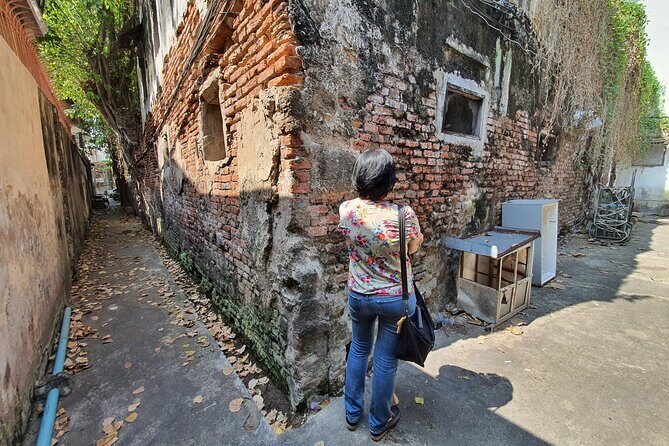
The meeting point is Better Coffee Bldg., 1st Fl, at 320 TangHuaPak (Hualamphong Thanon Rama IV, Mahapruettaram Khet Bang Rak). The guide meets you at street level at the MRT Hua Lamphong station Exit 1, starting at 10:00am. The good part here is simplicity: you’re near public transport, and the start time is clear.
This matters because Chinatown tours often start late or meet somewhere that’s annoying to reach. Starting by MRT means you can plan your morning without guessing.
Also, it’s a mobile ticket experience. Bring your phone with the ticket ready, and you won’t have to hunt for paper.
What the 3 to 4 hours actually include
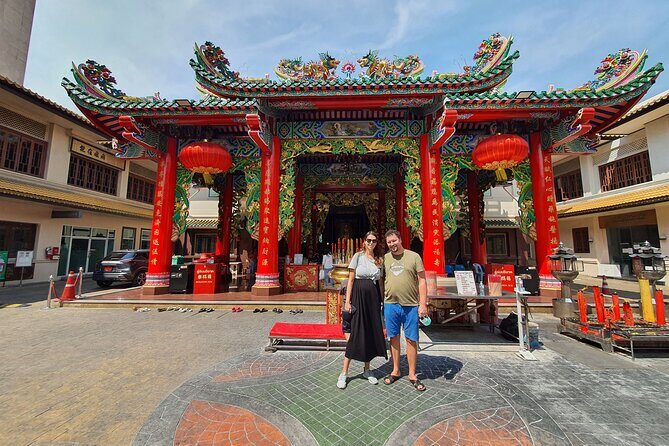
This is a walking tour with a moderate fitness level. You’ll be on your feet for long stretches, but there are breaks built in—especially around food and coffee.
A typical flow looks like this:
- You meet in the morning at Hua Lamphong.
- You head into Chinatown and begin with temples and older landmarks.
- You then walk through market streets and smaller side lanes.
- You pause for snacks and coffee along the way.
- You finish with a sit-down lunch at a long-running restaurant.
A few guides (based on what people shared) also used short public-transport links to connect areas. You’re not stuck walking the whole time, but you should still wear shoes that can handle uneven sidewalks and crowded curb cuts.
Temples, a hidden school, and why the backstory matters
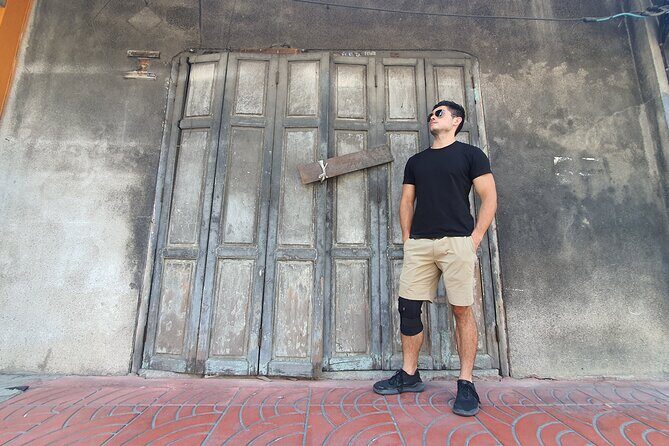
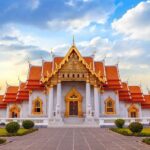
The tour starts with a temple-and-neighborhood orientation. After you meet your guide, you move through ancient Chinese temples and there’s a stop that includes a hidden school and a local coffee shop for a drink.
This is more than a warm-up. In Chinatown, religious spaces and community institutions often sit right next to everyday commerce. When you understand the role of shrines and local schools, the area stops being just scenery and becomes a place with memory.
You’ll also see old buildings and hear stories connected to the neighborhood. That’s usually the difference between a walking tour you forget and one that gives you a mental map you can reuse later.
Sampeng Market’s alleys: where the tour turns practical
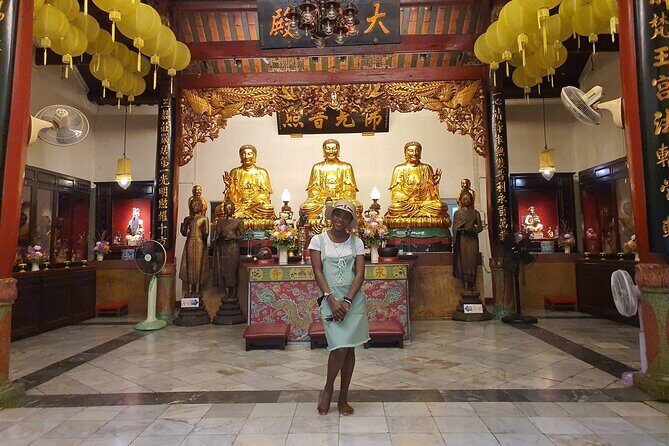
Then you get into the market area—specifically the Sampeng Market lanes and shops. This is one of the tour’s most praised parts because it feels like real daily life rather than a curated theme park.
One stop also includes a street art area, plus a Chinese shrine and the oldest Chinese house in Bangkok (with admission time included). That mix is smart. Street art can look random until you tie it to a specific community space like a shrine or older residence. Then it starts to make sense.
You’ll also get a chance to participate with local people in the Chinese community. The exact nature of that varies by the day and what’s happening around you, but the intent is clear: you’re meant to observe and connect, not just pass through.


A former red-light district stop: history, not sensationalism
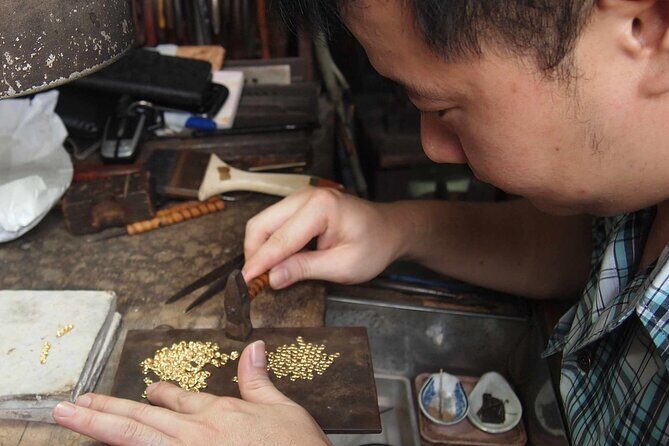
One portion of the walk covers the former red-light district in Chinatown. It’s listed as a short stop with admission time included.
This is the kind of stop that needs a guide who can handle it responsibly. The value here is context—how neighborhoods evolve, how trade and migration shape what you see today, and how older stories still linger behind current storefronts.
If your goal is only photo spots, you might find this piece less fun. If you want to understand Chinatown as a living history site, it’s a strong addition.
The 150-years-old fresh market stop
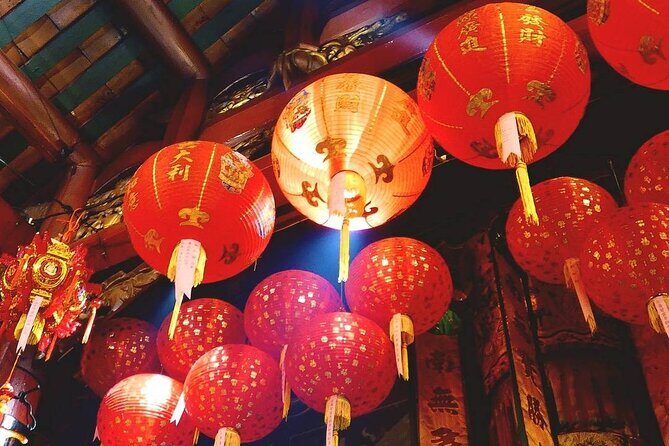
Next comes a 150-years-old fresh market, again with admission time included.
Fresh markets in Bangkok are one of those places you can walk past quickly if you’re sightseeing alone. With a guide, you slow down enough to notice details: what people buy, what stalls focus on, how vendors arrange products, and how everything moves in rhythm with the day.
For you, this stop works best if you’re curious about food culture and daily supply chains. It’s not just a place to snack. It’s a place to see how the neighborhood keeps itself fed.
Snacking and coffee breaks that keep the pace sane
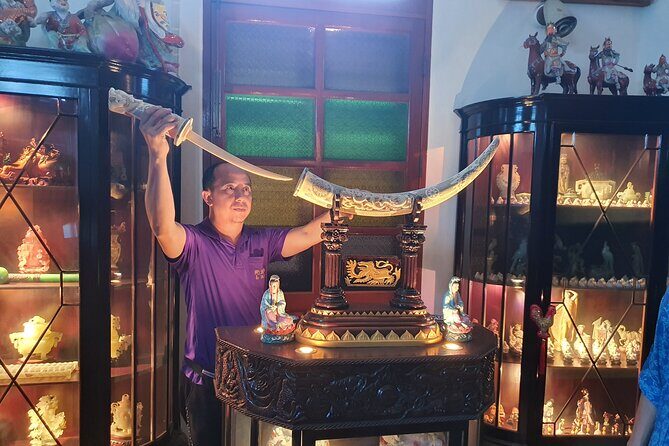
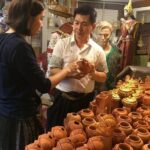
Between the market walks and the lunch stop, you’ll receive some snack during the walk. There’s also an early local coffee shop drink stop.
This matters because walking Chinatown without breaks can turn “fun” into “why am I here.” The tour helps you pace yourself with small food moments, so you don’t arrive at lunch starving or cranky.
If you like iced coffee or Thai-style tea style drinks, this tour structure gives you the chance to try them without turning the day into a separate hunt for caffeine.
Lunch at a restaurant that has been open for 30 years
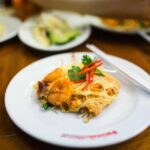
Lunch is a sit-down meal of typical Thai-Chinese dishes, and drinks are available for purchase. Your meal is built into the route rather than being a choice you have to make while hungry and surrounded by dozens of possible places.
One reason this works for value is time. You’re not spending your morning deciding where to eat. You’re also not guessing which menu items locals actually eat.
People also praised guides for steering them toward very satisfying, local-feeling food. If you want a lunch that still feels Chinatown-adjacent (rather than tourist Thai-American), this is the point in the day that helps the whole tour click.
Price and value: what $52.14 buys you here
At about $52.14 per person, this tour is priced like a mid-range guided experience. You’re paying for:
- a local guide
- food and drink samples (not just one snack)
- local transportation fee during the trip
- and admission tickets included for key cultural stops
If you were to plan this yourself, you’d still spend money on transport, museum-style admission for some stops, and multiple small meals or snacks to avoid running out of energy. The tour bundles all of that with a route and a guide who can explain what you’re seeing.
Is it cheap? Not really. Is it fair for what you get? For many people, yes—especially because the tour is intentionally capped at eight (with a stated maximum of 10 travelers), so you’re not stuck in a large group.
Who should book this tour (and who should rethink it)
This is a great fit if you want:
- Chinatown history and community context, not just temple photo ops
- a route through Sampeng Market and the side streets you might miss alone
- guided stops at shrines, old houses, and markets
- a day that mixes walking with snacks and a real lunch
It’s less ideal if you mainly want:
- a long, unbroken shopping spree
- hours of free time to bargain without structure
- a tour that focuses only on the most famous tourist storefronts
One more practical note: it’s weather-dependent only in the sense that it runs in all weather, so you should expect to walk outdoors. Bring a light layer or rain protection so you’re not miserable.
Practical tips so you enjoy every stop
A few things will make your day smoother:
- Wear comfortable walking shoes. Chinatown sidewalks are not made for fancy footwear.
- Keep your phone charged. You’ll want photos at the street art and historic house area.
- Bring some patience for market crowds. This is daily life, not a controlled set.
- If you love food, go hungry enough to enjoy the snacks and lunch without forcing yourself to stop later.
Also, the pace is generally described as comfortable with breaks. That means you can actually talk, ask, and take in details instead of sprinting for the next stop.
Final verdict: should you book Unseen Bangkok’s Chinatown tour?
If you want Chinatown with context, structure, and a good meal built in, I think this is a smart booking. The best parts are the combination of market alleys, cultural stops (temples, shrines, historic house), and the food rhythm that keeps your energy steady.
The main caution is expectations. This is not just shopping. It’s a guided look at how Chinatown works—past and present—with snacks and lunch as part of the story, not a side quest.
If that matches your travel style, you’ll likely feel like you left with both memories and a usable mental map of the area.
FAQ
How long is the Small-Group Unseen Bangkok’s Chinatown Walking Tour?
It runs for about 3 to 4 hours.
What time does the tour start?
The tour starts at 10:00am.
Where do I meet the guide?
You meet at the Better Coffee Bldg., 1st Fl, 320 TangHuaPak, near MRT Hua Lamphong station Exit 1 at street level.
How large is the group?
It is limited to eight people for a small-group experience, and the maximum number of travelers is stated as 10.
Is there a mobile ticket?
Yes, the tour uses a mobile ticket.
What’s included in the price?
The price includes a local guide, food and drink samples, and a local transportation fee during the trip. Admission tickets are included for certain stops, and snack is included as part of the walk.
Is lunch included?
Yes. You’ll have lunch at a restaurant, with typical Thai-Chinese dishes.
Are drinks included with lunch?
Drinks are available for purchase. Alcoholic beverages are not included.
Does the tour run in bad weather?
It operates in all weather conditions, so dress appropriately.
Can I get a full refund if I cancel?
You can cancel for a full refund up to 24 hours before the experience’s start time.