REVIEW · BANGKOK
Thai Cooking Class at Tingly Thai Cooking School in Bangkok
Book on Viator →Operated by Tingly Tours and Transport · Bookable on Viator
Bangkok can be noisy. Your hands can be cooking instead.
This class at Tingly Thai Cooking School is built for real results: you learn prep techniques, then you actually make the dishes you’ll eat. I especially like the market tour (morning option) because it explains what you’re buying and why, and I also like that the lesson aims for cook-at-home clarity, not just a one-time meal out.
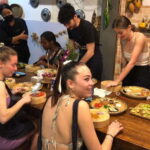
You’ll also get a small-group feel, with up to 12 people, so questions don’t get lost in the crowd. Instructors such as Nam and Song bring energy and clear pacing, and the vibe is fun without sacrificing technique.
One possible drawback: transportation isn’t included, so you’ll need to plan your own trip to the meeting point on Suriyawong Road and back. If you’re short on time, that matters.
In This Review
- Key Highlights You’ll Care About
- Market-First Bangkok Cooking That Actually Makes Sense
- Wat Kheak Fresh Market: How to Shop for Thai Flavor
- Back at Tingly Thai: Curry Paste Skills You Can Repeat
- The Dish Lineup: What You’ll Make (and What Changes by Day)
- Taste-Testing vs. Building Real Skills
- Mango Sticky Rice: The Finish That Makes It Feel Complete
- Price and Value: Getting a Lot for $38.94
- Timing: Morning Class vs Afternoon Class
- Getting to the Meeting Point on Suriyawong Road
- Who This Class Fits Best
- Should You Book Tingly Thai Cooking School?
- FAQ
- How long is the Thai Cooking Class at Tingly Thai Cooking School?
- Do I get to go to a market, or is it only in the kitchen?
- What dishes will I cook and eat?
- Are kitchen tools and meals included?
- Is transportation included in the price?
- How many people are in the class?
- Where does the class start and end?
Key Highlights You’ll Care About
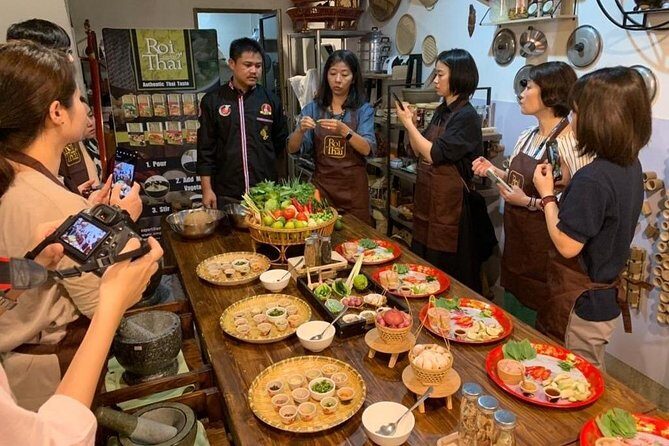
- Wat Kheak fresh market (morning only): ingredient shopping with a lesson on traditional Thai fruits, herbs, vegetables, and spices
- You cook everything: curry paste, cooking, and assembly for multiple dishes instead of watching from the sidelines
- Tom Yum and Pad Thai every day: plus curries that change by weekday so the class stays interesting
- 4 dishes included: you leave with a full meal plan, not just a snack
- Up to 12 travelers: small size makes it easier to get help as you cook
Market-First Bangkok Cooking That Actually Makes Sense
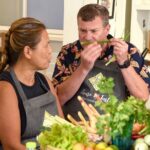
The best Thai cooking classes do one thing well: they connect flavors to ingredients. This one starts there. In the morning schedule, you meet at Tingly Thai Cooking School, then head out for a market walk at Wat Kheak fresh market. It’s not just browsing. You learn what to look for and how Thai cooking gets its base flavors from real produce and spices.
This structure helps you on two levels. First, you understand what matters when you shop later at home. Second, in the kitchen you’re not guessing—you’ve seen the ingredients and heard what they do.
If you’re thinking about the afternoon class, you skip the market. That’s great if you’re busy that morning, but you’ll lose that ingredient shopping context.
You can also read our reviews of more cooking classes in Bangkok
Wat Kheak Fresh Market: How to Shop for Thai Flavor
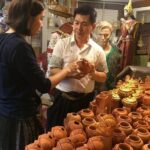
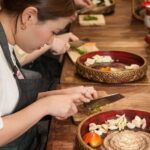
Morning classes run about 3.30 hours total, with the market tour baked in. The market stop (Wat Kheak fresh market) focuses on ingredients that Thai cooks use every day: traditional fruits, herbs, vegetables, and spices.
What I like about this segment is the practical tone. You’re not just told what a dish is. You learn what’s in it and how the right ingredients make the difference. It also helps you handle the most common problem people face after cooking at home: substitutions that flatten flavor.
During the market walk, your guide is essentially teaching you how to shop like a cook. You’ll see ingredients you may not recognize, then learn what they’re for before you ever touch the stove.
Back at Tingly Thai: Curry Paste Skills You Can Repeat
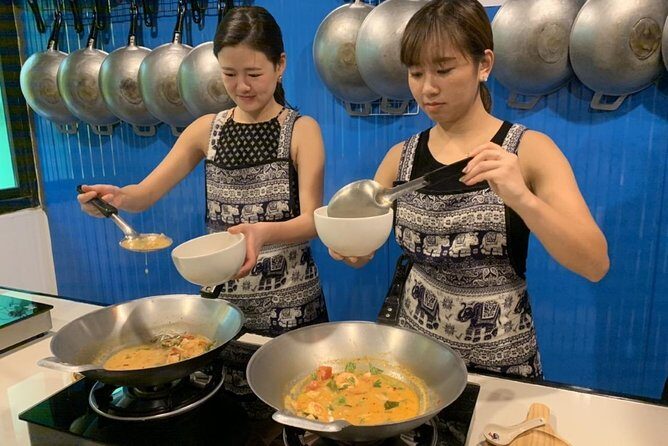
After the market, you head back to the school. The cooking portion starts around 09:05 (morning) and runs until about 12:00. This is where the class earns its keep.
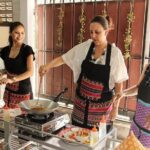
The core takeaway is technique. You learn traditional Thai food prep methods and then practice making curry paste, followed by cooking and assembling all your dishes yourself. That includes the handwork that makes curry taste like curry, not like a shortcut.
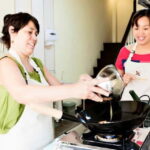
This is also where the instructor style really matters. Students often get good explanations, and instructors like Nam or Song tend to keep things clear and fun while you’re actively cooking. When the guidance is that direct, you don’t waste time. You also build confidence for your own kitchen later.
The Dish Lineup: What You’ll Make (and What Changes by Day)
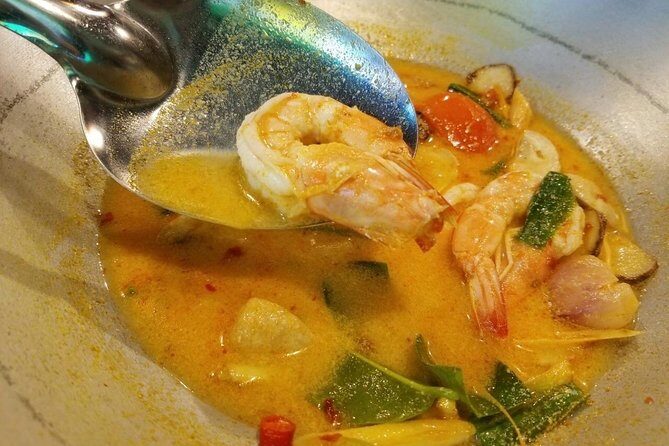
You’ll eat what you cook. Meals include 4 dishes, and you also get bottled water and kitchen tools. The class is structured around a consistent set of favorites, with curries switching by weekday.
Here’s the lineup:
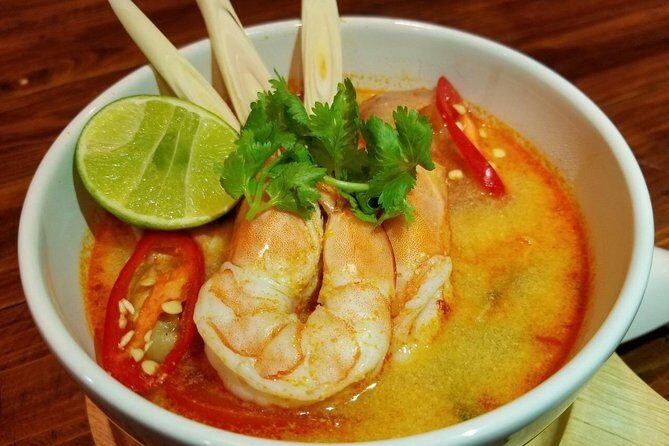
- Tom Yum Kung (Everyday): hot and sour prawn soup
- Pad Thai Kung (Everyday): Thai-style fried noodles with prawns
- Green curry with chicken (Monday, Thursday, Friday)
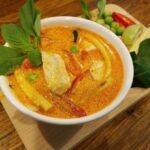
- Red curry with chicken (Tuesday, Saturday)
- Panang chicken curry (Wednesday, Sunday)
- Khao Neeaw Mamuang (Everyday): mango with sticky rice
This schedule matters because it shapes your learning. You’ll practice soup and noodles every time, then you’ll get a curry version that changes depending on the day. By the end, you’re not just collecting recipes—you’re learning how Thai flavors shift across soup, stir-fry, and curry styles.
One extra detail worth noting: ingredient swaps are possible. The class can adjust dishes if you want different proteins (for example, swapping prawns for chicken or going veggie options). That makes the class more flexible if your taste or dietary plan doesn’t match the default menu.
Taste-Testing vs. Building Real Skills
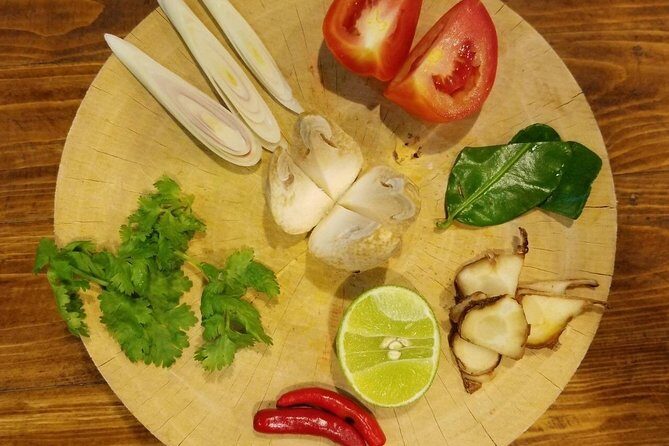
At 3 hours to 3.5 hours, the class is long enough to matter but not so long it becomes a blur. You’ll move from ingredient understanding to actual cooking steps: prep, curry paste work, then cooking and assembly.
That flow is the difference between a meal and a skill-building session. You’ll start to recognize what each dish is doing:
- Tom Yum’s balance of sour and heat
- Pad Thai’s sweet-savory noodle profile
- Curry paste depth that shows up in scent, color, and body
And because you cook each dish yourself, you can feel where things go right or wrong. If your paste tastes flat, you’ll see it quickly. If a noodle sauce needs adjustment, you’ll notice the timing.
This is also why I’d call the class a “home-cooking upgrade.” The instructors aim for you to recreate flavors without needing exact restaurant magic.
You can also read our reviews of more tours and experiences in Bangkok
Mango Sticky Rice: The Finish That Makes It Feel Complete
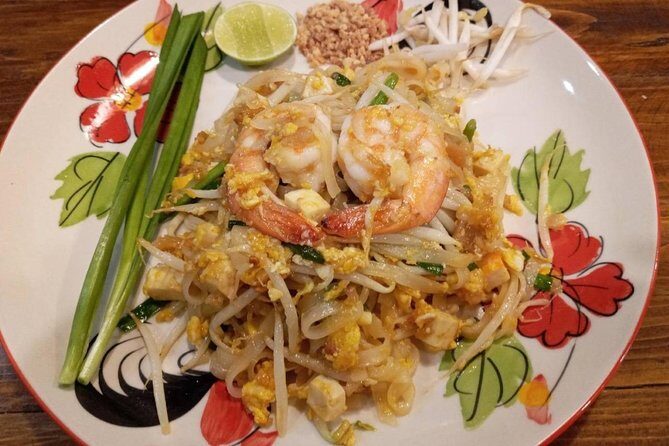
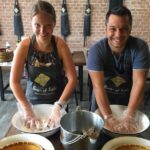
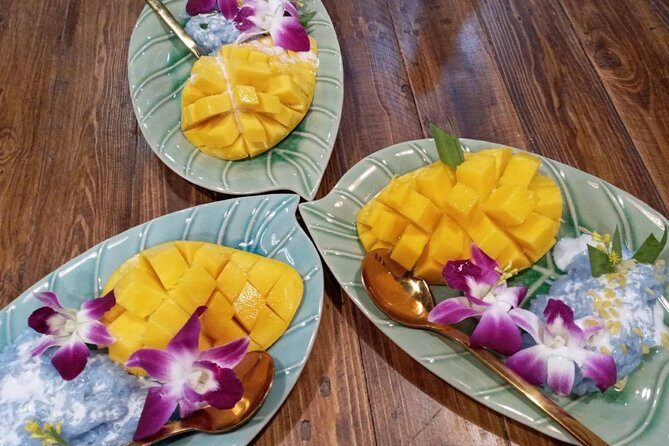
Every class includes Khao Neeaw Mamuang, mango with sticky rice. It’s a smart choice, because it’s not just dessert—it’s a flavor and texture lesson. Sticky rice isn’t hard once you understand what matters, and combining it with mango gives you a clean ending that makes the meal feel like a full Thai set, not a random mix of dishes.
If you’re the type who loves sweets but also likes to understand what you’re eating, this part is a nice payoff. It also balances the stronger flavors from soup and curry.
Price and Value: Getting a Lot for $38.94
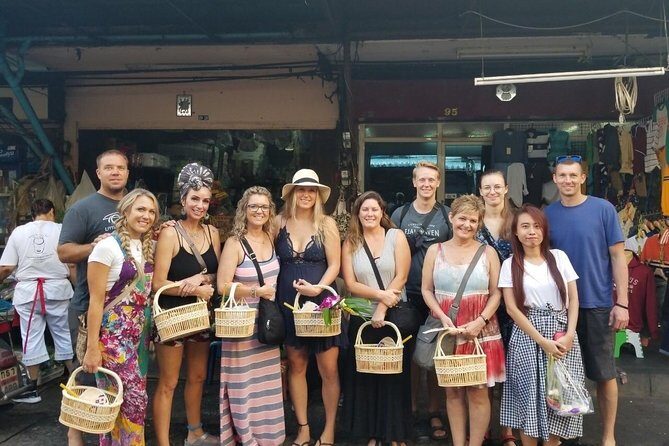
At $38.94 per person, this is positioned as a value meal experience with real instruction. Here’s what helps justify the cost:
- 4 dishes included (you eat what you cook)
- kitchen tools provided
- bottled water
- market tour on the morning option (ingredient education included)
- small group size (maximum 12 travelers)
Transportation isn’t included, so you’ll spend a bit extra getting to the Suriyawong meeting point. But once you’re there, you’re mostly paying for time, guidance, ingredients, and tools—plus the chance to leave with food you can’t easily recreate without learning the basics.
If you’re comparing costs, think in terms of: one guided, hands-on Thai meal plus the techniques you can repeat at home. That’s usually where this class gives the best return.
Timing: Morning Class vs Afternoon Class
You have two options:
Morning class: about 3.30 hours, meeting around 08:30 and ending around 12:00. It includes the market tour at Wat Kheak fresh market.
- Best if you want the full ingredient shopping context
- Best if you like learning how Thai cooks pick produce and spices
Afternoon class: about 3 hours, running roughly 13:00 to 16:00. No market tour.
- Best if your schedule is packed in the morning
- Best if you mainly care about cooking and eating
Either way, you’ll cook and eat your way through multiple dishes. The main difference is whether you start with the market lesson.
Getting to the Meeting Point on Suriyawong Road
The class starts and ends back at the same meeting point: Suriyawong 17/1 Soi Prachum, Khwaeng Suriya Wong, Khet Bang Rak, Krung Thep Maha Nakhon 10500, Thailand.
Transportation isn’t included, so plan your route ahead. If you’re using a rideshare or taxi, build in extra buffer for Bangkok traffic. Also, since you’re cooking, give yourself time to arrive without rushing. You’ll enjoy the class more when you’re not sprinting to start.
Who This Class Fits Best
This is a strong choice if you want:
- A hands-on Thai cooking session, not a lecture
- A small group where you can ask questions
- A menu that teaches soup, noodles, curry, and dessert
It’s especially great for food-focused travelers who plan to cook at home. If Thai flavors are your comfort food, you’ll likely leave excited, because you’re making favorites like Tom Yum Kung, Pad Thai Kung, and green/red/panang curries.
If you want only a casual taste of Thai food, you may feel the pace is “hands-on.” But if you like learning by doing, it’s a win.
Should You Book Tingly Thai Cooking School?
Book it if you want the best kind of souvenir: skills and recipes tied to real ingredients. The morning market tour adds real value, especially if you tend to buy spices without knowing how they’re used. The afternoon version is also solid if time is tight.
Skip or think twice if you don’t want to manage your own transport, since you’ll start and finish at the meeting point and there’s no transport included. Also, because it’s designed as a cooking class, you should be ready to actively participate rather than observe.
FAQ
How long is the Thai Cooking Class at Tingly Thai Cooking School?
The morning class runs about 3 hours 30 minutes, and it includes a market tour. The afternoon class runs about 3 hours and does not include the market tour.
Do I get to go to a market, or is it only in the kitchen?
Only the morning class includes a market tour at Wat Kheak fresh market. The afternoon class is kitchen-focused and skips the market.
What dishes will I cook and eat?
You’ll make 4 dishes. Tom Yum Kung and Pad Thai Kung are everyday items, mango sticky rice (Khao Neeaw Mamuang) is also everyday, and the chicken curry type changes by day (green, red, or panang).
Are kitchen tools and meals included?
Yes. Bottled water, kitchen tools, and meals (4 dishes) are included.
Is transportation included in the price?
No. Transportation is not included.
How many people are in the class?
The class has a maximum of 12 travelers.
Where does the class start and end?
It starts at and ends back at the meeting point on Suriyawong 17/1 Soi Prachum, Khwaeng Suriya Wong, Khet Bang Rak, Krung Thep Maha Nakhon 10500, Thailand.