REVIEW · BANGKOK
Thai cooking class experience in Bangkok with Tingly Thai cooking school
Book on Viator →Operated by BKK Best Tours · Bookable on Viator
Thai cooking classes can feel touristy. This one doesn’t. At Tingly Thai Cooking School in Bangkok, you spend about 3.5 hours learning to make four classic dishes with an English-speaking instructor, and you leave with a recipe book you can actually use later. I love that the class includes either a morning market tour to source ingredients or a full cooking flow without it. I also love that you’re not just watching—you’re cooking the food you eat. One possible drawback to plan for: the pace can feel a bit fast, so bring a hungry appetite and don’t expect long sit-down breaks between dishes.
You’ll make the flavors people come to Thailand for: hot and sour tom yum, pad thai fried noodles, mango sticky rice, and a Thai curry (green, red, or panang depending on the class). If you’ve ever thought you want to cook Thai at home but didn’t know where to start, this gives you a clear, repeatable path.
One more thing I appreciate: they also teach practical habits like how to store Thai food properly, which is the part most cooking classes skip. You will still need transportation to get to the meeting point, since it’s not included.
In This Review
- Key things that make this Bangkok cooking class worth your time
- A Half-Day Thai Cooking Class That Teaches You to Recreate, Not Just Consume
- Tingly Thai Cooking School: Where You Meet and How the Setup Works
- Morning Class with the Ingredient Market: 08:30–12:00
- Afternoon Cooking Flow: 13:00–16:30
- Evening Session Energy: 18:00–21:00
- The Four Dishes You’ll Cook: What Each One Really Teaches
- Tom Yum Soup (Hot and Sour)
- Pad Thai Fried Noodles
- Mango Sticky Rice
- Thai Curry (Green, Red, or Panang)
- Instructor Style and Class Flow: How You Stay On Track
- Recipe Book, Storage Tips, and Chopsticks-Ready Souvenir Value
- Price and Value: What $37.48 Buys in Bangkok
- Practical Tips So You Leave Full and Not Frazzled
- Who This Thai Cooking Class Is Best For
- Should You Book Tingly Thai Cooking School in Bangkok?
- FAQ
- What dishes will I make in the class?
- How long is the cooking class?
- Are there different time slots available?
- Does the morning class include a market tour?
- What’s included in the price?
- Is transportation included?
- How big are the groups?
- What happens if the weather is bad or I need to cancel?
Key things that make this Bangkok cooking class worth your time
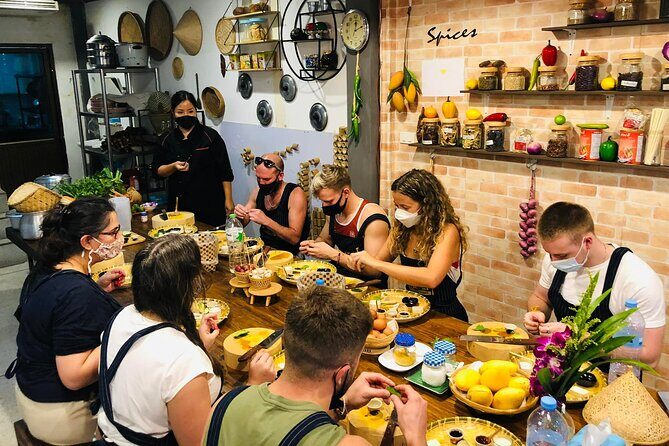
- Four full dishes, not one or two small samples
- Morning market tour (08:30–12:00) for understanding where ingredients come from
- Multiple curry options (green, red, or panang) so you can learn more than one style
- Hands-on kitchen time with an instructor who teaches in clear English
- Small-group feel with a cap of 24 travelers
- Recipe book to take home, plus real storage tips for cooking again later
A Half-Day Thai Cooking Class That Teaches You to Recreate, Not Just Consume
If you’re doing Bangkok for food, a cooking class is a smart use of time. You get a crash course in how Thai kitchens build flavor and how you can recreate that at home without guessing. With 4 dishes in one session, it’s enough food to feel like a meal and enough practice to feel like progress.
What really makes this class practical is how it’s structured around repeatable steps. You’ll cook, taste, and adjust as you go, then take a recipe book home so you can remake the dishes when you’re back in your own kitchen. That recipe book matters—because Thai cooking lives and dies on small balances, and having the method written down helps you avoid turning it into a guessing game.
The vibe is also social. People often come as couples or friends, and the class works well as a planned activity rather than a last-minute food hunt. Just remember: you’re there to cook. Wear clothes you don’t mind getting splashed with cooking smells, and come ready to work.
You can also read our reviews of more cooking classes in Bangkok
Tingly Thai Cooking School: Where You Meet and How the Setup Works
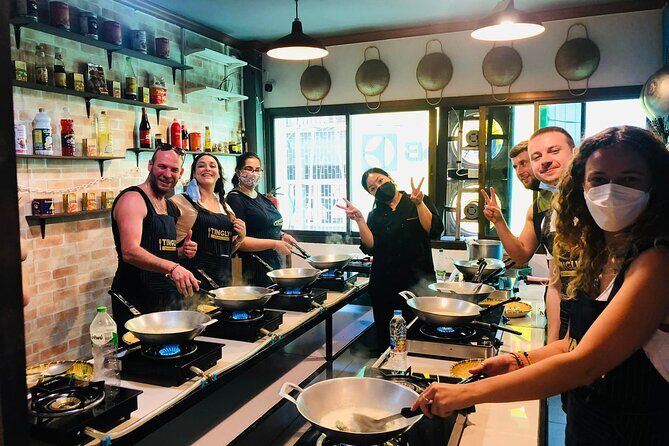
The class meets at Tingly Thai Cooking School, Suriyawong 17/1 Soi Prachum, Khwaeng Suriya Wong, Khet Bang Rak, Bangkok 10500. It ends back at the meeting point, so you’re not left figuring out the next step after the last dish.
The school is set up for group cooking, and it’s described as clean and air-conditioned, which is a relief in Bangkok heat. You’re near public transportation, but transportation isn’t included, so plan your route ahead of time. A mobile ticket makes it easy to check in.
Group size is capped at 24 travelers, which usually keeps things organized and gives your instructor enough time to explain what you’re doing. From an experience standpoint, that matters because Thai cooking isn’t just about ingredients—it’s about timing and technique, and you can’t learn that if the group is too huge.
Morning Class with the Ingredient Market: 08:30–12:00
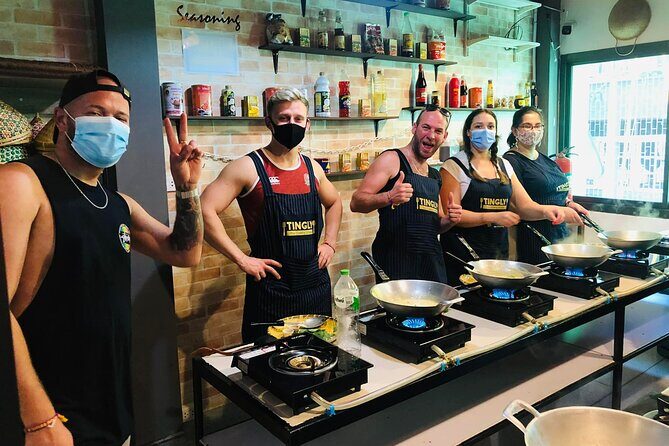
If you want the deeper “Thai food context,” book the morning slot. It runs 08:30–12:00 and includes a market tour, with ingredients provided for your class. The morning market is not about tasting street food for fun. It’s about learning where ingredients come from and how you start building Thai flavors from the ground up.
In this market portion, you’ll spend time observing and learning about ingredient sourcing. One practical detail: the market area is described as close by, with stalls and carts, so you’re not walking across the whole city just to get the ingredient lesson. That keeps the morning class focused.
This segment is also a great way to reset your brain. Thai cuisine can look complicated on a menu, but seeing real ingredients and learning what they’re used for makes everything click later when you’re back at the stove.
If you’re short on time, the morning class may be the hardest logistically. It starts early, and you’ll want energy for both the market and the cooking. If you’re okay waking up, it’s the best value add beyond just the cooking.
Afternoon Cooking Flow: 13:00–16:30
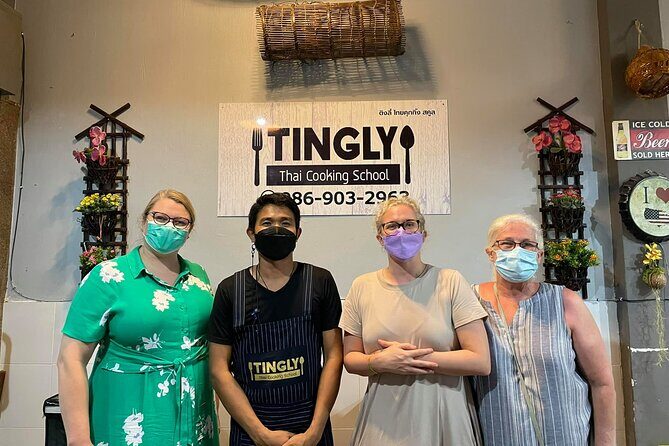
The afternoon session (13:00–16:30) is the same core idea—four dishes, hands-on practice—but without the market tour. For many people, that’s the sweet spot. You get a half-day that fits easily into a typical Bangkok itinerary, while still ending with a full meal and a recipe book.
This block is built for action. You’ll move meal to meal as you cook, and you’ll get ingredient explanations along the way. The key advantage of going afternoon is flexibility: you can sleep in, do a morning sight, or just take it slow before class.
The potential downside is pacing. Some people felt there wasn’t much time to sit and eat between cooking steps, so you should plan to eat when your dishes are ready rather than expecting a long restaurant-style pause. The good news: portions can be big enough that you likely won’t leave hungry, and you may be able to take leftovers with you.
Evening Session Energy: 18:00–21:00
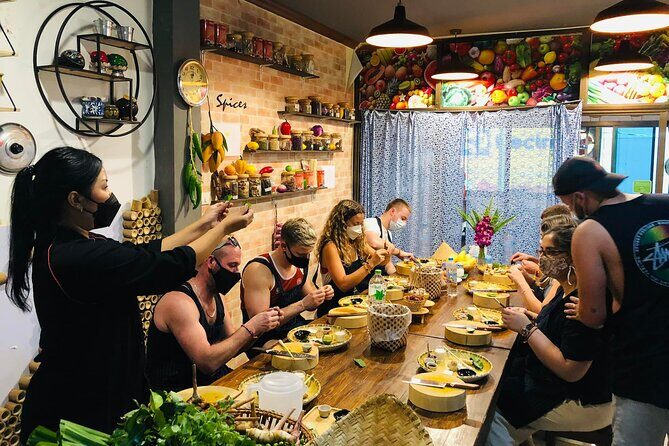
The evening slot (18:00–21:00) works well if you want Bangkok day-to-night flow. You can spend the late afternoon sightseeing or shopping, then spend the evening learning to cook.
The dishes are still the same categories—tom yum, pad thai, mango sticky rice, and a curry—so you’re not trading learning value for convenience. You’re mostly trading the day’s rhythm. Evening classes can feel a bit more like a social event, since a lot of people are ready to relax after daytime plans.
One practical tip: if you’ve eaten a heavy dinner already, you may not enjoy the class as much. The food adds up, and you’ll be cooking a lot. Going with lighter snacking earlier in the day usually makes the whole experience more fun.
You can also read our reviews of more tours and experiences in Bangkok
The Four Dishes You’ll Cook: What Each One Really Teaches
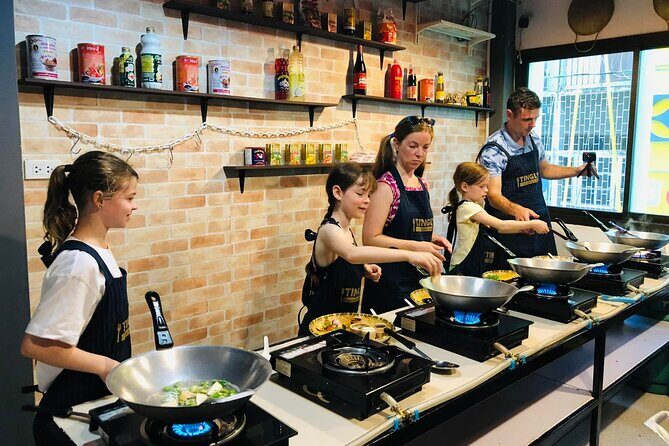
This class is built around four core dishes, which is great because they represent different Thai flavor styles. You’ll learn how Thai cooking balances heat, sourness, sweetness, and savory depth across a full menu—like learning the alphabet before you try to write sentences.
Here’s what’s on the menu in the typical four-dish format:
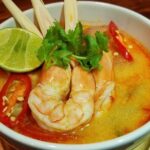
Tom Yum Soup (Hot and Sour)
Tom yum is a signature Thai balance of heat and tangy flavor. In class, you’ll follow the process step by step while your instructor explains ingredients clearly. Even if you’ve tasted tom yum before, cooking it helps you understand how Thai kitchens build that hot-and-sour profile instead of relying on bottled shortcuts.
Pad Thai Fried Noodles
Pad thai looks simple on paper, but it’s all about timing and sauce balance. You’ll cook fried noodles and learn the method so you can reproduce the flavor at home. The upside of cooking pad thai in class is that you’ll see how the ingredients behave in a hot pan, not just how they look in a bowl.
Mango Sticky Rice
This is the dessert that proves Thai cuisine can be both comforting and precise. Mango sticky rice is sweet, creamy, and very satisfying. Cooking it teaches you the importance of texture and proportion, so it’s not just a sweet finish—it’s a skill you can repeat.
Thai Curry (Green, Red, or Panang)
Your curry choice depends on the class, and you’ll cook either green, red, or panang curry. Curry is the big flavor builder in Thai cuisine. Watching and learning how the curry comes together is useful even if you don’t cook Thai often, because curry is where you’ll most notice differences between bland and properly balanced.
If you’re a curry fan, you can also make this class more than one-time. Since you might get different curry styles depending on the day, you can return for a second class and learn more than one flavor direction.
Instructor Style and Class Flow: How You Stay On Track
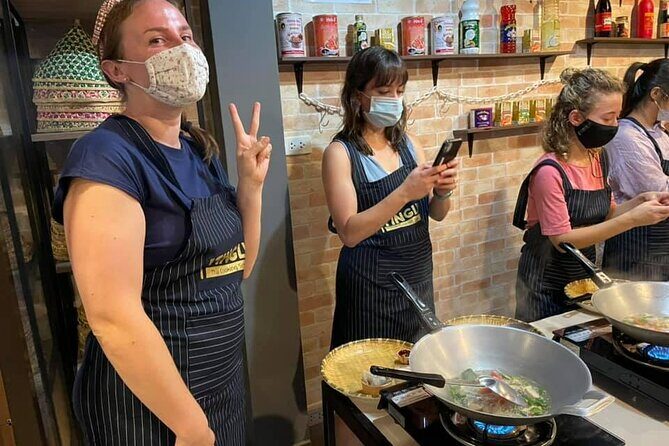
An English-speaking instructor leads the class, and a recurring theme from the experience is clear explanation plus a fun attitude. Names you may run into include Chau, Cho, Chong, Naam, May, and Song. Different instructors bring different personalities, but the teaching style stays focused on helping you understand what you’re doing and why.
The class flow is also designed to keep you moving. You’re not waiting around while someone else cooks. You’ll work through the dishes in sequence, and you’ll get the tools and ingredients you need. That reduces the biggest barrier to cooking Thai at home later—confusion about where to start.
One small consideration: because you’re producing four dishes in one sitting, the time between cooking steps can feel short. If you want a slow, restaurant-style tasting experience, this class may not match that vibe. If you want hands-on learning, it fits perfectly.
Recipe Book, Storage Tips, and Chopsticks-Ready Souvenir Value
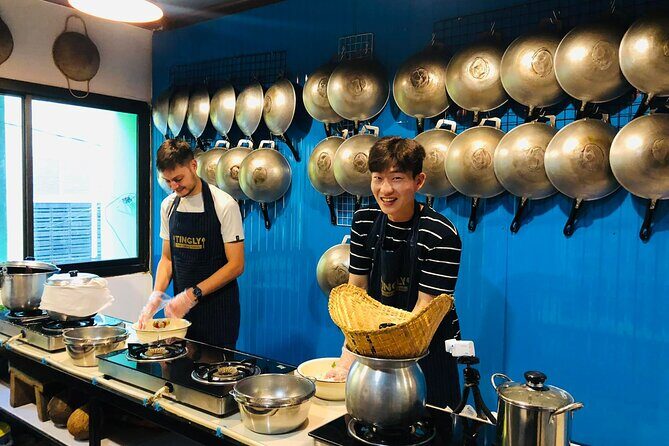
The best part of a cooking class isn’t only the meal you eat. It’s whether you can recreate it later. Here, the finish includes a recipe book, which is your take-home guide for rebuilding the dishes at home.
You’ll also learn practical stuff beyond recipes. The school specifically teaches tricks and secrets, plus methods for properly storing Thai food. That matters because Thai food is often about fresh balance, and leftovers can either taste great next day or turn flat if you store them wrong.
If you’re thinking about cooking this for friends, the recipe book becomes your cheat sheet. If you’re thinking about cooking it for yourself, it becomes a confidence builder. Either way, it turns your class into a lasting souvenir, not just a one-off meal.
Price and Value: What $37.48 Buys in Bangkok
At about $37.48 per person, this class is one of the easiest ways to get serious Thai cooking practice without spending a fortune. Here’s why it feels like value:
- You get ingredients provided (and the morning market tour includes ingredient learning)
- You get the equipment and the kitchen space
- You cook four dishes and eat what you make
- You leave with a recipe book
That’s a lot of hands-on time for the price point. Also, because the group cap is 24 travelers, the class usually stays organized rather than chaotic.
Just keep one cost note in mind: drinks are not included. If you plan to have beverages, budget for them on the day.
Practical Tips So You Leave Full and Not Frazzled
A good cooking class is like a good workout. Show up ready, and you’ll have fun. Walk in tired, and it can feel like a grind.
Here are the choices that make the biggest difference:
- Go hungry, because you will be cooking and eating a full spread.
- Wear comfortable clothes that can handle kitchen smells.
- Bring a plan for getting there and back, since transportation isn’t included.
- If you have dietary needs, it’s smart to ask ahead. Some groups noted the class could accommodate allergies/preferences.
- Expect big flavors and good portions. Some people left very full and even took leftovers away.
If you’re doing this as a date, it’s also an easy win. You get a shared activity, plenty to talk about, and you end the night with food you helped make.
Who This Thai Cooking Class Is Best For
This experience fits best if you want hands-on learning and real take-home usefulness. You’ll likely enjoy it if:
- You’re a food lover who wants more than restaurant eating
- You want a structured way to learn Thai flavor basics
- You’re traveling as a couple or group and want a shared activity
- You like classes that end with recipes you can follow at home
It’s less ideal if you only want a light snack experience. Four dishes in one afternoon means real work and real food. Also, if you want a long, slow dining experience between steps, the class format may feel a bit tight.
Should You Book Tingly Thai Cooking School in Bangkok?
Yes, if you want a classic Bangkok souvenir with actual usefulness. The class hits the key points that matter: four dishes, an English-speaking instructor, clear instruction, and a recipe book to take home. At the price, the value is hard to ignore—especially if you book the morning session for the market tour.
Book it with confidence if you’re ready to cook, taste, and then recreate. Plan to eat the food, not just watch it. And if pacing matters to you, choose the time slot that best matches your day energy—morning for ingredients-first learning, afternoon for flexibility, evening for a relaxed night activity.
If you want one Thai class that gives you both flavor and skills, this is a strong pick.
FAQ
What dishes will I make in the class?
You’ll cook four classic Thai dishes: hot and sour tom yum soup, pad thai fried noodles, mango sticky rice, and a Thai curry (green, red, or panang).
How long is the cooking class?
The duration is about 3 hours 30 minutes.
Are there different time slots available?
Yes. Morning runs 08:30–12:00, afternoon runs 13:00–16:30, and evening runs 18:00–21:00.
Does the morning class include a market tour?
Yes. The morning class includes a market tour to learn about the source of ingredients.
What’s included in the price?
All ingredients are included (market tour ingredients are included for the morning class), along with an English-speaking instructor, all necessary equipment, the four dishes, and a recipe book after the class.
Is transportation included?
No. Transportation is not included, though the meeting point is near public transportation.
How big are the groups?
The class has a maximum of 24 travelers.
What happens if the weather is bad or I need to cancel?
The experience requires good weather. If it’s canceled due to poor weather, you’ll be offered a different date or a full refund. There’s free cancellation up to 24 hours in advance for a full refund.