REVIEW · BANGKOK
Tingly Thai Cooking School Afternoon Class
Book on Viator →Operated by Tingly Thai Cooking School · Bookable on Viator
Thai cooking has a hands-on payoff.
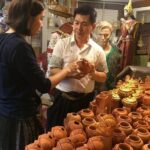
This afternoon class at Tingly Thai Cooking School is interesting because it teaches you how Thai flavor actually gets built, not just what to type into a recipe. I love that you make fresh curry paste from scratch and learn practical tips like how to prepare and store Thai dishes so they hold up later. I also love the teaching vibe: small groups and instructors who keep the steps clear and the mood fun, with names like Soung and Chan showing up again and again in the praise.
I will note one consideration: this specific afternoon option is marked as excluding the market tour, so if your main goal is wandering through markets, you may want a market-inclusive class instead.
In This Review
- Key things that make this class worth your time
- Why an afternoon Thai cooking class works in Bangkok
- Start time, meeting point, and how to plan your afternoon
- Making curry paste from scratch: where Thai cooking becomes real
- The four-course-style meal: plan to eat, not snack
- Small group size: why you’ll actually get answers
- Tips and tricks you can actually use at home
- Market learning: what you get when it’s excluded, and what still remains
- What to expect in the kitchen (so you’re not surprised)
- Weather, comfort, and the stuff that makes the day smoother
- Price and value: is $40.47 a good deal?
- Who should book this class (and who might skip it)
- Should you book Tingly Thai Cooking School Afternoon Class?
- FAQ
- What time does the afternoon class start?
- How long is the Tingly Thai Cooking School afternoon class?
- Where do I meet for the class?
- What will I cook and eat during the class?
- How big is the class group?
- Can I cancel for a full refund?
- What happens if the weather is poor?
Key things that make this class worth your time
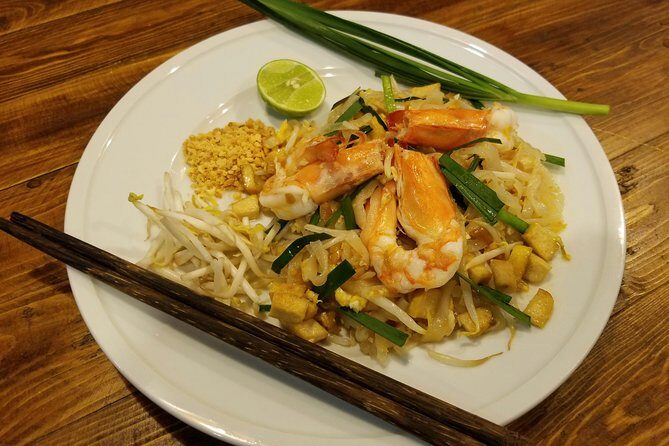
- Curry paste, made by hand: you’re not just chopping; you’re building the base flavors.
- 4-course-style eating: you cook a lot and eat what you make at the end (no skimping).
- Small group limits: the class caps at 10 travelers, so instructions don’t get lost in the shuffle.
- Storage and technique tips: you’ll hear practical guidance you won’t get from a cookbook alone.
- Instructors with real personality: names like Soung, Chan, Chun, Nam, and Chon pop up for a reason—clear teaching plus humor.
Why an afternoon Thai cooking class works in Bangkok
Bangkok is great for food, but it’s also easy to burn a whole day doing other things and then realize you never learned how the dishes are made. This is one of those experiences that fits neatly into your plans: it’s scheduled for the afternoon, and you end back at the meeting point.
The big win here is that you’re learning by doing. Thai cooking isn’t only about ingredients; it’s about timing, texture, heat control, and how flavors layer. When you make things from scratch during the class, you start to understand why Thai dishes taste the way they do. Then you can recreate it at home without guessing.
Price-wise, at $40.47 per person for about 3 hours 30 minutes, you’re paying for a lot more than a meal. You’re paying for hands-on instruction, ingredient guidance, and the chance to walk away with recipes and tools you can use later. For Bangkok, it’s a strong value if you actually want to cook, not just watch.
You can also read our reviews of more cooking classes in Bangkok
Start time, meeting point, and how to plan your afternoon
The class start time is 1:00 pm, and the session runs roughly 1 pm to 5 pm (about 3.5 hours). You meet at 17/1 Soi Silom 22, สุริยวงศ์ Khet Bang Rak, Krung Thep Maha Nakhon 10500, Thailand.
A couple practical notes that matter in Bangkok:
- The meeting point is listed as near public transportation, so you can keep your transit simple.
- The activity ends back at the meeting point, which helps a lot if you want to get dinner plans locked in after.
Because the market tour is excluded in this afternoon option, think of this class as focused kitchen time. Your schedule won’t hinge on a long market walk, but you’ll still get ingredient context through instruction.
Also, bring a flexible attitude about timing. Cooking classes move at the pace of chopping, mixing, and tasting—not a clock that never pauses. That’s part of the value.
Making curry paste from scratch: where Thai cooking becomes real
If you want the skill that gives you the biggest payoff at home, start here: curry paste. This class is built around making dishes from scratch, including fresh curry paste.
Why that matters: most people can follow a curry recipe, but many can’t reproduce Thai flavor because store-bought paste doesn’t behave the same way. Fresh curry paste changes how the dish blooms—aromatics come alive differently, and the texture of the paste affects the sauce body.
In a good hands-on class, you learn more than ingredients. You learn technique:
- how the paste comes together and what it should smell like as it’s made
- what you should pay attention to while grinding or blending
- how to avoid rushing steps that need time to develop flavor
You also get practical guidance about storing Thai dishes. That may sound like a random add-on, but it’s huge for real cooking. Thai food is often better the next day when the flavors settle—if you store it correctly. The class approach is designed to reduce guesswork once you’re back in your own kitchen.
The four-course-style meal: plan to eat, not snack
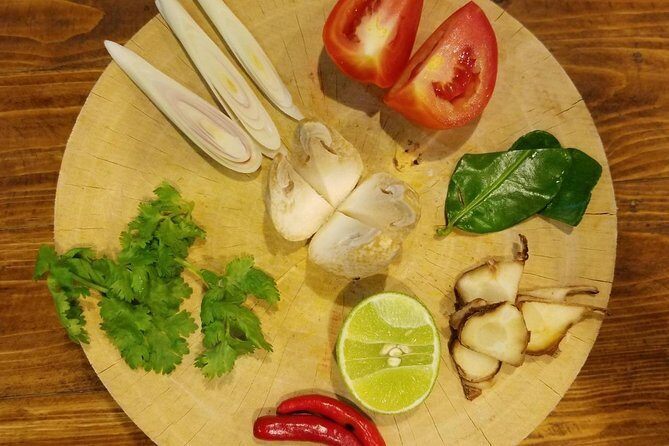
One of the most repeated themes in the experience is simple: you leave full. The class includes the core idea of no hunger pangs—you eat what you create at the end.
In the lessons described by past participants, the meal often works out like a four-course setup. Depending on the session, people mention dishes such as:
- Pad Thai
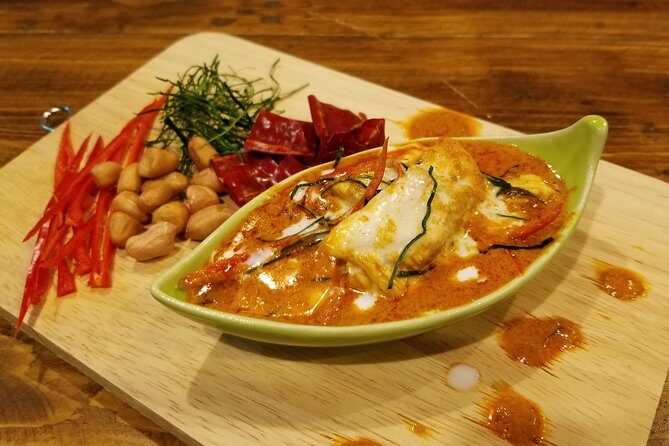
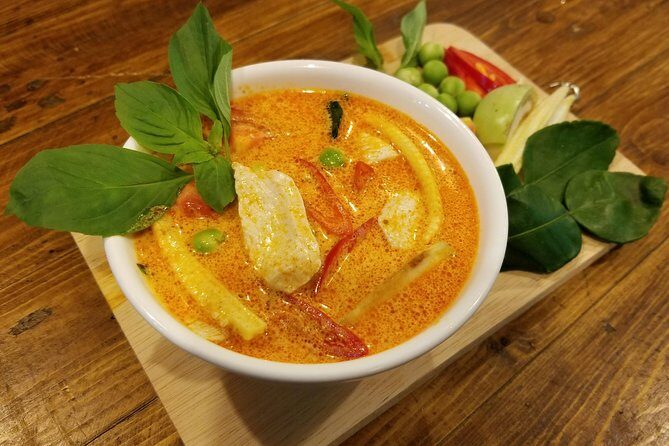
- Green curry
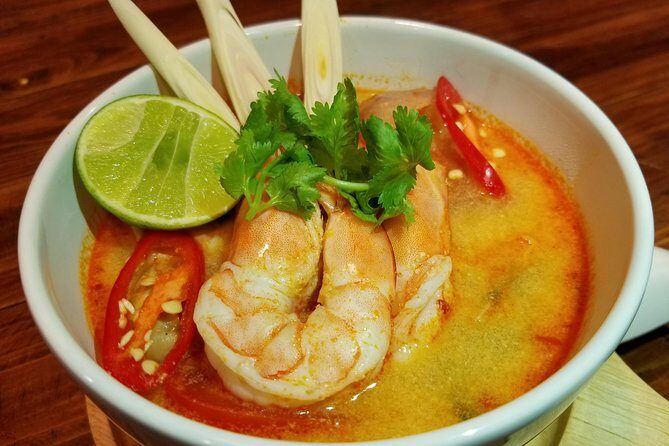
- Tom Yum
- Tom Kha shrimp soup
- Penang curry
- Mango sticky rice
- chili paste
Even if your exact menu differs, the structure is consistent: you cook multiple dishes, you taste along the way, and then you sit down to enjoy the results. That’s one reason you’ll want to plan the rest of your day around the class. Treat it like a meal plus a workshop, not like a short tasting.
Portions can be generous. Some people also mention taking extra food away, which is a practical bonus if you’re staying out late later or want a second bite for a friend back at your hotel.
Small group size: why you’ll actually get answers
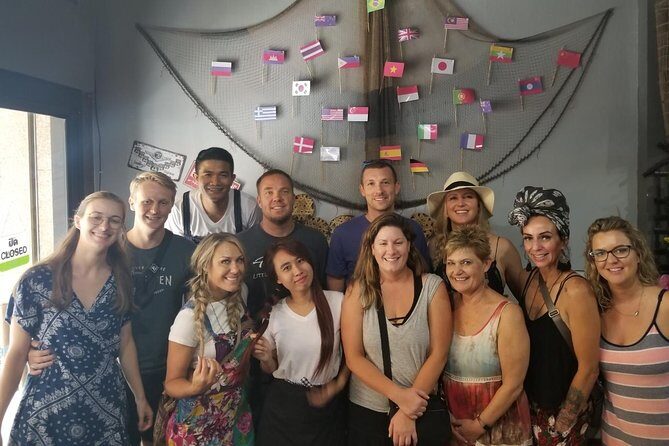
This class caps at 10 travelers. That limit changes the feel immediately.
In a big class, the instructor might explain one step once and hope everyone catches it. In a small group, you can ask a quick question when something doesn’t look right—like paste texture, seasoning balance, or how to handle herbs.
You’ll also notice the difference in the way instructors teach. Multiple people highlight teachers such as Soung, Chan, Chun, Nam, and Chon. The pattern in the praise is consistent: energy, humor, and a clear explanation of ingredients and techniques.
That matters because Thai cooking can look simple until you’re the one doing it. The value of a good teacher is turning chaos into steps you can repeat.
You can also read our reviews of more tours and experiences in Bangkok
Tips and tricks you can actually use at home
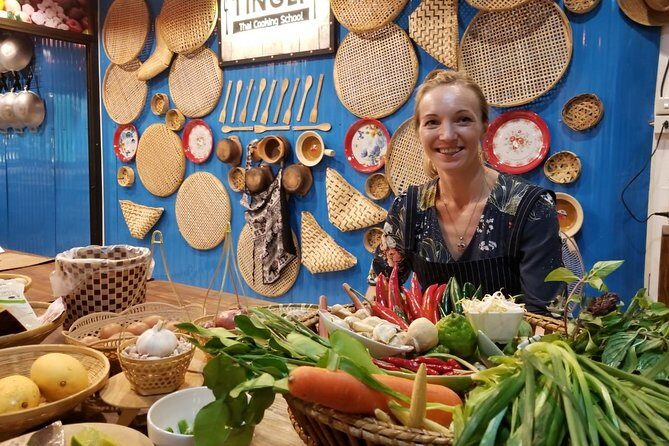
Recipe books tell you what goes in. Cooking classes are where you learn how things behave.
From the way this class is described, you get practical takeaways like:
- tricks for making curry paste so it doesn’t feel mysterious
- technique guidance for how dishes are built, not just assembled
- tips on properly storing Thai food so it doesn’t lose flavor or texture
You’ll also likely leave with written material. People mention a recipe book and even small extras like chopsticks provided at the end. That’s not just a nice souvenir. It’s useful for reminding you what you learned—especially for steps that take more than one attempt.
If you’re the type who cooks regularly, you’ll appreciate the emphasis on process. If you’re new to Thai cooking, you’ll appreciate how the steps are taught so the dish starts making sense.
Market learning: what you get when it’s excluded, and what still remains
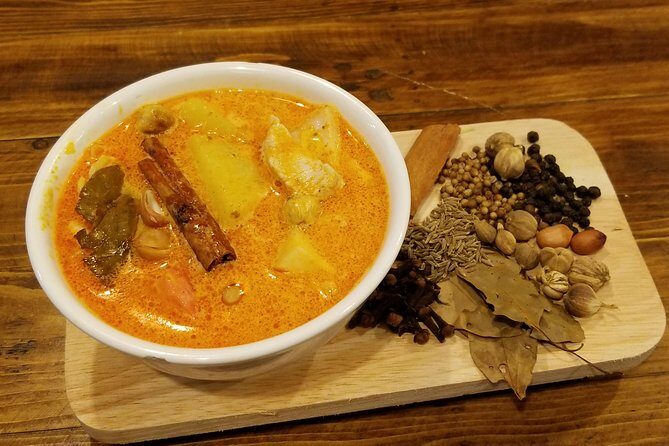
This afternoon session is labeled as excluding the market tour, and that affects expectations. If your dream Thailand cooking day includes lots of strolling, bargaining, and ingredient shopping, then this might feel more kitchen-forward than market-forward.
That said, the school’s overall approach focuses on sourcing context and ingredient knowledge. Even when the market walk is not part of your time block, you can still learn why certain ingredients are used and how substitutions can change the result.
Here’s the practical way to handle it:
- If you want a market-focused day, look for an option that includes the market portion.
- If you want the skill to cook Thai food with confidence, this class still delivers the kitchen core: curry paste and hands-on dish-making.
What to expect in the kitchen (so you’re not surprised)
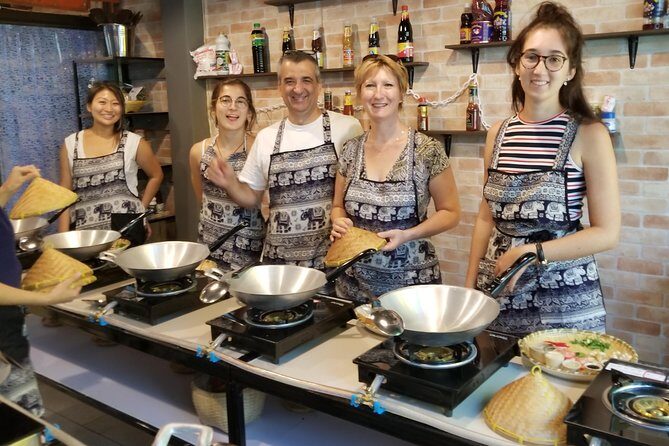
Cooking classes can be either strict or relaxed. This one reads as friendly and structured. You’ll work through the dishes as the lesson progresses, with explanations about ingredients and technique.
Expect a pace that keeps you busy:
- You’ll chop, grind, mix, and cook.
- You’ll taste and adjust as you go.
- You’ll spend meaningful time on key foundations like curry paste.
Because the class is designed to feed you, plan for a full meal afterward. Some people explicitly recommend showing up with an empty stomach, and that makes sense: you don’t want to be fighting hunger while you’re trying to focus on technique.
Weather, comfort, and the stuff that makes the day smoother
The experience requires good weather, which matters because some activity components may depend on it. If conditions are poor, you’ll be offered a different date or a full refund (as stated in the policy).
For comfort, wear something you can move in and that can handle cooking smells. Thai kitchens are active places: heat, steam, and a lot of chopping. You don’t need special clothing, but you do want practical comfort.
If you’re sensitive to spice, tell your instructor. Thai cuisine includes heat, but good classes help you understand how spice levels can be adjusted without ruining the flavor.
Price and value: is $40.47 a good deal?
Let’s talk value in real terms.
You’re paying about $40.47 per person for:
- about 3.5 hours of guided, hands-on cooking
- making key Thai components like fresh curry paste
- learning technique and storage tips
- eating what you make at the end
- a small group setting (max 10), which increases the odds you’ll get help when you need it
Compare that to what you’d spend in Bangkok for a cooking-oriented meal experience that doesn’t teach you process. Here, the cost is justified if you want repeatable skills, not just a nice lunch. The “eat what you make” part alone raises the value because you’re not paying extra just for ingredients.
If your goal is only to taste a few dishes, a food tour might be cheaper. If your goal is to learn how to cook Thai food you can recreate, this is priced like a practical workshop.
Who should book this class (and who might skip it)
This class is a great match if you:
- want a real Thai cooking skill, especially curry paste
- like learning by doing rather than reading
- enjoy small group, teacher-led experiences
- want a full meal built into the activity
You might skip it if:
- your top priority is a market walk and shopping the ingredients yourself
- you’re looking for a quick tasting only (this is a cooking class first)
If you’re traveling with family or friends, it also sounds like a strong shared activity. People mention enjoying it both solo and with others, and the small group setup helps it feel social without being chaotic.
Should you book Tingly Thai Cooking School Afternoon Class?
I’d book it if you want the most useful souvenir from Bangkok: the ability to cook Thai dishes at home. The focus on fresh curry paste plus the hands-on steps is exactly what turns Thai cooking from vague enjoyment into real skill.
I’d also book it if you like a teacher with momentum. Multiple instructor names—Soung, Chan, Chun, Nam, and Chon—come up for the same reasons: clear instruction mixed with humor, plus energy that keeps you moving.
Just double-check that this session is right for your goals. If you’re chasing the market experience as much as the cooking, the afternoon option is labeled as excluding the market tour. If that matters to you, choose the market-inclusive version.
FAQ
What time does the afternoon class start?
The afternoon session starts at 1:00 pm.
How long is the Tingly Thai Cooking School afternoon class?
It runs for about 3 hours 30 minutes (approx.).
Where do I meet for the class?
Meet at 17/1 Soi Silom 22, สุริยวงศ์ Khet Bang Rak, Krung Thep Maha Nakhon 10500, Thailand.
What will I cook and eat during the class?
You’ll make Thai dishes from scratch, including fresh curry paste, and you’ll eat the dishes you cook at the end.
How big is the class group?
The class has a maximum group size of 10 travelers.
Can I cancel for a full refund?
Yes. Cancellation is free if you cancel up to 24 hours in advance of the experience start time for a full refund.
What happens if the weather is poor?
The experience requires good weather. If it’s canceled due to poor weather, you’ll be offered a different date or a full refund.