REVIEW · CENTRAL THAILAND
World English Camp, Ages 10-55
Book on Viator →Operated by The After Schools Thailand · Bookable on Viator
English practice with a Thai twist on campus.
This camp is interesting because it turns language study into an all-day rhythm at Assumption University of Thailand, then adds evenings where you actually use English with new friends. I like the clear structure of 30 hours of English mastery built around speaking and listening, not just book work. One thing to consider: the schedule runs late, so it is not the kind of program where you can just drop in and coast.
What I really like is the mix of class + play. You get daily English practice from 8:00 AM to 10:00 PM days (with 3 hours of English focus), plus co-curricular activities like inline skate, surf skate, tennis, basketball, swimming, golf, and creative workshops. I also like that the camp includes two full-day excursions, so you do not leave with only campus English.
The main drawback for some people is intensity. With long daily hours, big activity variety, and outdoor time likely involved (think national park), you’ll want to be ready for a busy, weather-dependent pace.
In This Review
- Key highlights worth your attention
- A 14-day English routine with late evenings and real conversation
- Assumption University at Suvarnabhumi: study in a real campus setting
- The daily English blocks: 3 hours of practice plus a whole lot of chances to speak
- Co-curricular play: sports and creative workshops that keep you from burning out
- Bangkok day sights and market energy: Grand Palace, Chatuchak, and Chinatown
- The Grand Palace stop: iconic, but plan for crowds and heat
- Chatuchak Weekend Market: shopping, snacks, and negotiation practice
- Chinatown: a sensory lesson in how cities talk
- The Pattaya-area side: Columbia Pictures Aquaverse for easy fun
- Khao Yai National Park: outdoor learning day for nature and pace
- Wat Phra Chetuphon: a calmer spiritual stop between busier days
- Price and value: what you pay for, and why it might be worth it
- Who this camp fits best (and who should think twice)
- Getting there and getting around without stress
- Should you book World English Camp 2025–2026?
- FAQ
- FAQ
- What is the duration of the World English Camp?
- How much English practice do I get?
- What activities are included besides English classes?
- Which excursions are included during the camp?
- Where does the camp take place, and is pickup available?
- What’s the cancellation/refund situation if plans change or weather is bad?
Key highlights worth your attention
- Daily 3-hour English practice focused on speaking, listening, grammar, and real communication
- Campus-based program at Assumption University in Suvarnabhumi area, with an international school setting
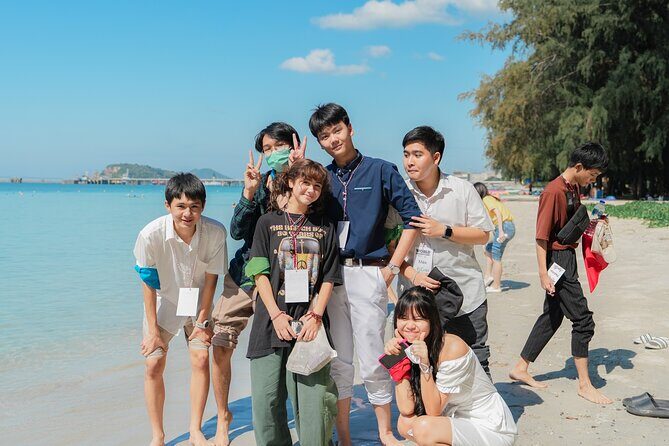
- Evening social time every night to use English with peers from around the world
- Sports and creative co-curricular options like inline/surf skating, tennis, basketball, swimming, golf, and workshops
- Two full-day excursions included, covering major Bangkok and nearby highlights plus Khao Yai
- Pickup offered and mobile ticket, which helps if you are flying in and want less hassle
A 14-day English routine with late evenings and real conversation

If you want English that feels like a skill, not a chore, this camp is built for you. The format is simple: many hours of structured activity, daily English instruction, and nightly chances to speak with other students.
You’re not just learning vocabulary. The camp’s daily emphasis is on communication you can use, with speaking and listening as core skills. That matters because most language learners freeze the moment they have to talk, even if they understand grammar on paper.
The days also have energy built in. Between English blocks and activities, you keep moving instead of sitting for hours and zoning out. You’ll still need stamina, though; the program runs from 8:00 AM to 10:00 PM, and the learning block is part of that long day.
You can also read our reviews of more tours and experiences in Central Thailand.


Assumption University at Suvarnabhumi: study in a real campus setting

The camp is based at Assumption University of Thailand (Suvarnabhumi Campus). For many parents and adult students, that kind of setting helps because it feels organized and stable, not like a random classroom rental.
Being on a university campus can also make the learning feel more serious. You’re in an academic environment, but the camp uses it like a base for both study and activities. That balance is key for a program aimed at ages 10 to 55.
Your start point is also very clear: the meeting point is at Suvarnabhumi Airport area (with the address provided). Pickup is offered, which helps if you don’t want to figure out local transport after a flight.
The daily English blocks: 3 hours of practice plus a whole lot of chances to speak
The camp highlights 30 hours of English mastery for the program period, with 3 hours of English learning every day. The focus is described as speaking, listening, grammar, and real-life communication skills.
What I like about that mix is that it covers both sides of the language problem. Speaking and listening help you understand what is happening in real time. Grammar helps you avoid the stuck points that cause slow, awkward sentences.
You also get English use built into the camp rhythm through evening social time every night. That is where language programs often succeed or fail. A structured class can teach you rules, but social time is where you practice turning rules into speech without panicking.
Practical tip: if you want the most progress, show up ready to speak. Even short conversations in the evenings can move you faster than one more grammar worksheet.
Co-curricular play: sports and creative workshops that keep you from burning out

One of the camp’s big selling points is the co-curricular energy boost, with activities such as inline skate, surf skate, tennis, basketball, swimming, golf, and creative workshops.
This matters for two reasons. First, it lowers the pressure of learning. You can be a beginner at English and still have fun, so you are less likely to shut down. Second, movement helps focus; long days are easier when you have built-in variety.
Now, a realistic note: you don’t need to be an athlete to enjoy this. But you should expect some physical activity, especially if skating, swimming, or sports options are running during your camp dates. If your child (or you) hates being active, you might want to check how the camp handles skill levels. The data does not specify skill grouping, so go with an open mindset and the expectation that coaching is part of the setup.
The creative workshops are also a smart inclusion. When you’re writing, making, or presenting in a group, language stops being abstract. You use it to explain, coordinate, and share ideas.
Bangkok day sights and market energy: Grand Palace, Chatuchak, and Chinatown

The camp includes two full-day excursions, and the stops include major Bangkok landmarks and classic street experiences. Expect a full day rather than a quick photo loop.

The Grand Palace stop: iconic, but plan for crowds and heat
The Grand Palace is a must-see in Bangkok for anyone who likes big, historical visuals. It also tends to be busy, so your day can feel like a lot of standing and walking.
What you’ll likely appreciate here is the contrast: you spend the morning learning on campus, then you walk into one of Thailand’s most visually powerful sites. That kind of change keeps the trip from feeling like just another day.
Practical consideration: dress codes at religious sites can be strict, and the Grand Palace area is a walking-heavy stop. You’ll want comfortable shoes and clothing that follows the local expectations.
Chatuchak Weekend Market: shopping, snacks, and negotiation practice
Chatuchak is listed as a stop, which signals you’ll get more than sightseeing. Markets are where English learning can turn into real-life interaction, like asking prices, pointing at items, and making simple choices.
Even if you do not speak much, the market format encourages quick communication. It is also a good place to practice listening because you’re surrounded by sounds, movement, and lots of people talking to vendors.
One caution: weekend markets can be crowded. If your group has younger kids, keep an eye on spacing in busy lanes.
Chinatown: a sensory lesson in how cities talk
Chinatown is another major Bangkok stop. This area is especially good for learning because it’s a living neighborhood, not just a monument.
You’ll likely see plenty of small shops, food spots, and street life that make English feel practical. You can point, ask, and repeat the same phrases without feeling like you’re being judged.
Again, the main challenge is logistics: crowds and traffic around these areas can slow things down. The good part is that the experience is memorable, and it connects nicely to a camp theme of everyday communication.
The Pattaya-area side: Columbia Pictures Aquaverse for easy fun

Columbia Pictures Aquaverse is included as a stop. That gives the camp at least one lighter, more playful day activity among the sightseeing.
This is especially useful if you’re traveling with kids who get tired after cultural sites. A waterpark-style environment can reset the day and give energy back, and it also pairs well with a camp that already mixes learning with sports.
If you are expecting a full-on educational museum stop every day, this one breaks the pattern in a good way. For many families, that balance is what makes a two-week program feel less exhausting.
Weather matters here too. If conditions are poor, outdoor fun can shift.
Khao Yai National Park: outdoor learning day for nature and pace

Khao Yai National Park is one of the included stops. That’s a big change from Bangkok city days, and it’s a smart inclusion because it adds a different kind of “real world” learning: nature, distance, and slower pacing.
A national park stop can also be a good break from the daily routine. When you’re learning English, it helps to see different environments; it gives your brain new context for words and conversations.
One consideration: national parks depend on weather and walking conditions. The experience notes that good weather is required and there can be a date swap or refund if weather forces cancellation. So keep flexible expectations for outdoor time.
Wat Phra Chetuphon: a calmer spiritual stop between busier days

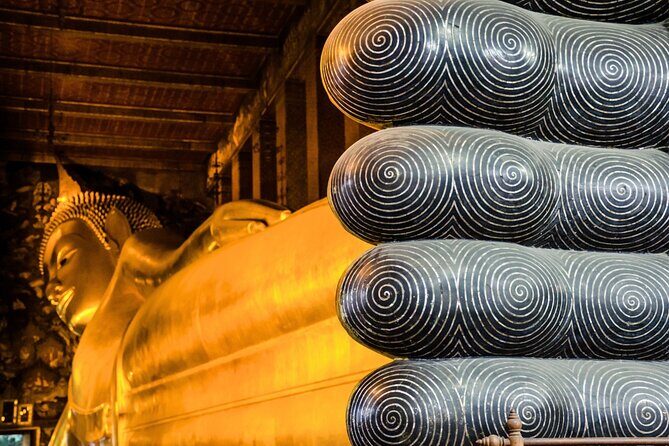
Wat Phra Chetuphon is listed as another major stop. This fits well with the camp’s Bangkok-heavy culture portion.
Temple visits can be especially helpful for learning because you can observe quietly, then ask questions later. Even basic questions like what something is used for, or what a site is known for, can lead to meaningful conversation.
The potential drawback is the same as many religious sites: dress and walking. Plan for respectful attire and comfortable footwear.
Price and value: what you pay for, and why it might be worth it
The price is listed as $1,953.13 per person for the 14-day (approx.) camp.
Here’s how I think about value with what you get:
- Daily structured English (3 hours per day, with 30 hours total highlighted) plus nightly social speaking time
- Co-curricular activities ranging from sports to creative workshops
- Two full-day excursions with major Bangkok area sights and Khao Yai
- Pickup offered and a mobile ticket, which reduces arrival friction
The big value isn’t only the class time. It’s the full design: you learn, you do, you speak again at night. That tends to be harder to replicate when you’re booking separate lessons and separate tours.
Is it cheap? No. But for a program that bundles long daily hours, English practice, activities, and included excursions, it can feel like a more efficient way to get two weeks of language momentum rather than scattered learning.
If you’re already planning independent trips in Thailand, you might compare costs. If you want one organized English-focused package that still gives sightseeing, this is the kind of setup that can justify the price.
Who this camp fits best (and who should think twice)
This camp is designed for Ages 10–55, so it can work for motivated kids, teens, and adults who want a structured break with language practice.
It suits you if:
- You want speaking and listening practice in a supportive environment
- You like a busy schedule with built-in activities
- You want the convenience of included excursions
- You’re okay with long days and social time at night
It may be a poor fit if:
- You want a low-energy vacation or short daily hours
- Outdoor time and weather uncertainty would be a major problem
- You’re looking for a mostly sightseeing-only trip with minimal structured learning
Getting there and getting around without stress
The start and end point are the same: Suvarnabhumi Airport area. Pickup is offered, and the location is described as near public transportation.
For many families, the airport-area start is a practical advantage. Less time wasted on early transfers can make the first day easier, especially when the program already begins with a full schedule.
The camp uses a mobile ticket, which typically means less paperwork to carry around during day trips.
Should you book World English Camp 2025–2026?
I’d book it if you want two weeks where English is built into your day—class time, activities, and nightly speaking. The combination of structured language instruction and real opportunities to talk is exactly what you need if you’ve ever felt stuck even after studying.
I’d think twice if you hate long days, dislike sports and movement, or need very predictable outdoor conditions. With Khao Yai and other outdoor options, weather can influence plans, and the experience is explicitly weather-dependent.
If you’re choosing between an English-only program and a sightseeing-only trip, this one tries to do both. The trade-off is effort: you’ll work a bit, play a bit, and use English every day.
FAQ
FAQ
What is the duration of the World English Camp?
It runs for 14 days and 14 nights.
How much English practice do I get?
The program highlights 30 hours of English mastery, with 3 hours of English learning daily focused on speaking, listening, grammar, and real-life communication.
What activities are included besides English classes?
You’ll have co-curricular activities such as inline skate, surf skate, tennis, basketball, swimming, golf, and creative workshops, plus evening social time to speak with other students.
Which excursions are included during the camp?
Two full-day excursions are included, with listed stops including The Grand Palace, Chatuchak Weekend Market, Chinatown, Columbia Pictures Aquaverse, Khao Yai National Park, and Wat Phra Chetuphon.
Where does the camp take place, and is pickup available?
The camp is at Assumption University of Thailand (Suvarnabhumi Campus). The experience summary says pickup is offered, and the meeting point is at the Suvarnabhumi Airport area.
What’s the cancellation/refund situation if plans change or weather is bad?
You can cancel for a full refund if you cancel at least 24 hours before the experience’s start time. The experience requires good weather, and if it’s canceled due to poor weather, you’ll be offered a different date or a full refund.