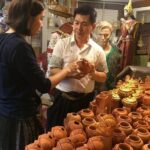
Bangkok’s Chinatown changes after dark.
This 2.5-hour nighttime walking tour takes you through the gold trade lanes around Chinatown Gate, with stories tied to the Chinese community, shopfront life, and what Thai-Chinese food means on Yaowarat Road.
What I like most are the human details from real guides and the way the route helps you notice things on your own. I’ve seen how guides such as Grace, Mam, and Polly steer people toward small alleys, better photo angles, and practical cultural context, and they also make time for you to sample street snacks.
One consideration: food and drinks are not included. Plan to budget a little extra, and if you want the guided audio, you’ll need your own smartphone plus earphones.
In This Review
- Key highlights before you go
- Chinatown by Night at 6:30 pm: what the timing really does
- Price and what you’re actually buying for $6.42
- Where to meet near MRT Hua Lamphong
- How the guided audio and QR mobile ticket work
- Chinatown Gate and the gold trade lanes: the first wow moment
- Yaowarat Road at night: street-food culture with meaning
- Tasting without getting lost: what you’re likely to do during the walk
- Hidden corners and photo-friendly route planning
- Souvenirs and cultural shopping help (without the pressure)
- Group size, walking pace, and comfort tips
- Who this tour fits best
- Should you book Chinatown by Night in Bangkok?
- FAQ
- What time does the Chinatown by Night walking tour start?
- How long is the tour?
- Where do I meet the guide?
- Is the tour ticket mobile and QR-based?
- Does the tour include food and drinks?
- Do I need my own phone or earphones?
- How many people are in the group?
Key highlights before you go
- Small group size (max 10) keeps the walk easy to follow and helps your guide answer questions
- English audio guidance plus on-the-ground explaining gives you both context and directions
- Chinatown Gate and the gold trade area connect the neighborhood’s past to what you see at night
- Yaowarat Road street-food prep moments help you understand what you’re eating, not just where to buy it
- Vox City Walk app add-ons extend your time in Bangkok with extra self-guided tours in audio and text
Chinatown by Night at 6:30 pm: what the timing really does
The start time matters here. A 6:30 pm meet means you catch the shift from closing shutters to opening stalls, with vendors preparing food and traditional goods. It’s a sweet spot for seeing street life in motion while the lights are on and the crowds are awake.
You’ll get a guided walking experience that’s roughly 2 hours of active tour time (with a total duration of about 2.5 hours). That’s a workable length for Chinatown: long enough to learn the patterns, short enough that you won’t feel like you’re walking until your shoes file for divorce.
You can also read our reviews of more walking tours in Bangkok

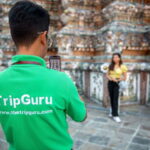
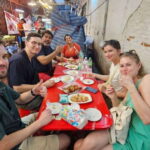
Price and what you’re actually buying for $6.42
At about $6.42 per person, this is one of those deals that feels almost too good until you look at what’s included. You’re not paying for a big meal package. You’re paying for a guided walk with English audio, cultural context, and route guidance through the part of Chinatown that can be confusing if you’re alone.
The QR-code mobile ticket is part of that value. It makes check-in straightforward, and it signals that the tour is set up to run efficiently even with a small group.
What you should budget separately:
- Food and drinks (not included)
- Tips (your choice)
- Any extra snacks, souvenirs, or medicine-style products you decide to pick up
If you’ve got limited time in Bangkok but you want a real sense of the neighborhood’s daily rhythm, this price-to-time ratio is hard to beat.
Where to meet near MRT Hua Lamphong
You’ll meet near MRT Hua Lamphong, Exit 1. That’s a helpful setup because you can reach the start point by public transport without a complicated transfer.
The meeting point info also references the Bangkok Train Station / Rong Mueang Rd area. In practice, what matters is that you’re near the Hua Lamphong transit hub, so it’s easy to line up your evening plans.
The tour ends back at the meeting point, so you can keep your night flexible afterward.
How the guided audio and QR mobile ticket work
This tour uses a mobile ticket with a QR code. The guide registers it on arrival, so bring your phone screen ready to go (and make sure your brightness isn’t set to “low power, good luck”).
You’ll also have a guided audio component in English. That means you’ll want your own smartphone and earphones. If you forget them, you’ll still see the sights, but you’ll lose part of the “learn while you walk” experience.
Download the Vox City Walk app before you go. You’ll use it for self-guided content during or after your Chinatown walk, which is a nice way to keep momentum going even after the group finishes.
Chinatown Gate and the gold trade lanes: the first wow moment
The walk kicks off in the area around Chinatown Gate, where the neighborhood’s identity is easy to spot even if you don’t know the story yet. From here, the guide helps connect what you see—shopfront styles, storefront signage, and nighttime activity—to what the area has been known for over time.
One of the best things about this opening phase is that it gives you a mental map. You start seeing patterns like:
- Which streets feel like retail and which feel like food prep
- How storefronts and family-run businesses present themselves at night
- How the gold trade connection shows up in the neighborhood’s overall vibe
And because the tour is framed as a cultural walk, you’re not just looking at buildings. You’re learning why certain businesses and products matter to the community and how that history influences modern life.
You can also read our reviews of more evening experiences in Bangkok
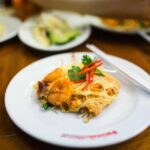
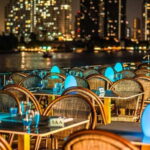




Yaowarat Road at night: street-food culture with meaning
This is where the tour becomes practical. You walk into the stretch where vendors are setting up, aromas are starting to rise, and the street food scene becomes the main event. Yaowarat Road is the backbone of that experience.
Your guide explains the significance behind dishes and traditions, which helps you make better choices when you’re staring at menus that don’t always include English. Instead of guessing, you’re learning what you’re likely to taste and why it’s popular.
What I especially like about this part of the tour is that it’s not just “buy food.” It’s “understand food.” When you know the cultural angle—even briefly—you can enjoy the flavors more and shop with more confidence.
Tasting without getting lost: what you’re likely to do during the walk
Food is a major part of the experience, but it’s important to be clear: food and drinks are not included. That means your budget needs a little breathing room.
The good news is the format supports you:
- Your guide directs you toward the popular Thai-Chinese street-food specialties
- You get cultural context so you know what you’re ordering
- After the tour, there’s time to sample more if you want to keep eating
This works well if you like to browse first, then decide. If you’re the type who wants a fixed tasting menu, you may find this style a little too flexible—but for most people, it’s more fun.
Hidden corners and photo-friendly route planning
One of the most praised parts of this tour is how guides help you find places that most people miss. Guides like Grace are noted for steering people into smaller lanes and giving directions that lead to better photos. That’s not about fancy photography tricks. It’s about knowing where the light, angles, and street layout line up.
I think this matters for two reasons:
- Chinatown can look like chaos from a distance, so the route planning gives your eyes a job.
- When you’re walking at night, small details disappear unless someone points them out.
If you’re planning to take photos, go with the mindset that your guide is part of the camera setup. Follow their lead for a bit, then you can break off afterward to explore with more confidence.
Souvenirs and cultural shopping help (without the pressure)
This tour isn’t only about food. It’s also about how the neighborhood trades in everyday objects—so it’s easier to find what you want than it would be on your own.
One guide highlight: Mam was described as helping someone locate a specific souvenir they’d been struggling to find. That’s the kind of practical value you only get from a local who knows how shop types cluster in the area.
If you’re shopping, it helps to be realistic:
- You might find more options after you’ve learned what to look for
- If you ask your guide a simple question, you can save time wandering
And because the group is small (max 10), you’re more likely to get individual attention than on a huge bus-style tour.
Group size, walking pace, and comfort tips
With a maximum of 10 travelers, you can expect a calmer feel. You won’t be packed shoulder-to-shoulder the entire time, and it’s easier to stop and ask questions.
The tour notes “moderate physical fitness.” That’s a polite way of saying you’ll be on your feet for a while on uneven sidewalk surfaces and through busy areas. I’d plan for comfortable shoes and a phone held securely while you listen to audio.
Two simple tips that make the tour smoother:
- Bring your own earphones for the audio portion
- Keep some cash or a card ready for snacks since food isn’t included
Who this tour fits best
This is a strong match if you:
- Want a guided introduction to Chinatown without spending hours figuring out where to go
- Like street food culture and want context, not just instructions
- Prefer smaller groups and clear guidance from a real person
- Enjoy photos and want help finding better corners
It’s also good if you’re short on time and want your evening to feel structured but not rigid.
If you hate walking, or you’re expecting a meal package with no extra spending, you might feel differently. Chinatown at night is a walking neighborhood; the tour is built around that.
Should you book Chinatown by Night in Bangkok?
I’d book it if you want a straightforward way to see Yaowarat Road after dark and understand the neighborhood’s Chinese heritage through what people actually do—trade, shop, cook, and share. The small group size, English guidance, and guides like Grace, Mam, and Polly add up to a “you’ll feel taken care of” type of experience.
Skip it only if you need food included, or if you don’t want to handle audio on your own phone. Otherwise, for the price, this is the kind of tour that gives you both atmosphere and practical confidence to explore the area further on your own.
FAQ
What time does the Chinatown by Night walking tour start?
It starts at 6:30 pm.
How long is the tour?
The duration is approximately 2 hours 30 minutes.
Where do I meet the guide?
The tour meets near MRT Hua Lamphong station, Exit 1.
Is the tour ticket mobile and QR-based?
Yes. Your ticket is a QR mobile ticket, and the guide registers it upon arrival.
Does the tour include food and drinks?
No. Food and drinks are not included, though the tour includes guided street-food tasting opportunities and cultural guidance.
Do I need my own phone or earphones?
Yes. You should bring your own smartphone and earphones to listen to the guided audio.
How many people are in the group?
The tour has a maximum of 10 travelers.