The Death Railway is unforgettable. This full-day outing from Bangkok strings together the key WWII sites around Kanchanaburi, including the River Kwai Bridge walk and the Kanchanaburi War Cemetery—then tops it off with a scenic train segment on the Death Railway route and time at Krasae Cave area.
I like how the day is built around landmarks you can actually stand in. You get long time at the cemetery (and it shows: it’s kept up well), a visit to the JEATH War Museum, and a proper train ticket for the ride rather than just looking at tracks from a distance.
One thing to plan for: it’s a long day with lots of driving, and the quality of explanations can vary by guide. If you’re hoping for heavy narration nonstop, keep your expectations flexible.
In This Review
- Quick hits: what you’ll notice first
- Price and Logistics: what $75.83 buys you (and what it doesn’t)
- Start at 6:30am: an early departure that sets the tone
- Stop 1: Kanchanaburi War Cemetery, where reflection becomes physical
- JEATH War Museum: small time, big context
- River Kwai Bridge and the Death Railway crossing: the walk you remember
- The included train ride along the Death Railway: why it’s worth it
- Krasae Cave and the surrounding WWII rail corridor
- Lunch and the comfort details that matter on a long day
- Guides, pacing, and why some days feel richer than others
- How long you should allow (and who this suits best)
- Should you book this Kanchanaburi and Death Railway day trip?
- FAQ
- How long is the full-day Kanchanaburi River Kwai and Death Railway tour?
- Where do I meet the group in Bangkok?
- Does the tour include pickup from hotels in Bangkok?
- What’s included in the price?
- Is there an included train ride?
- Can I cancel for a full refund?
Quick hits: what you’ll notice first
- A real walking moment on the River Kwai Bridge at the WWII rail crossing point
- Time at the Kanchanaburi War Cemetery (about 3.5 hours) to absorb the scale and stories
- JEATH War Museum’s name breakdown tied to the countries involved in the railway’s WWII construction
- A scenic train ride along the Death Railway included with your ticket
- Krasae Cave area that may include more than just cave time, depending on how the stop runs
- Long-day logistics handled for you: air-conditioned transport, bottled water, cool towel, and lunch included
Price and Logistics: what $75.83 buys you (and what it doesn’t)
At about $75.83 per person for an ~11-hour day, this is priced like a value-focused guided excursion. The big-ticket cost drivers are there: professional English-speaking guidance, round-trip style transport from Bangkok, entrance fees, a train ticket, and a buffet lunch.
You’re also not left to figure out basics mid-trip. The tour includes bottled water and a cool towel, and there’s travel insurance in the package. The one thing not included is tipping, which is common for Thai tours; if you want to show appreciation, you’ll be doing it voluntarily.
The meeting point is MBK Center (444 Phaya Thai Rd) at 6:30am, with pickup offered in central Bangkok and drop-off at MBK. That matters because an early start in Kanchanaburi-day trips is non-negotiable, and MBK is a convenient anchor if you’re already staying near transit.
You can also read our reviews of more tours and experiences in Bangkok

Start at 6:30am: an early departure that sets the tone
The day starts early—meet at MBK Center at 6:30am (with city center pickup available). Leaving Bangkok before the morning rush buys you time to reach Kanchanaburi without feeling like you’re constantly rushing.
This is also where you’ll feel the “full day” part. You can expect a lot of time on the road, and the best way to enjoy that is to treat the commute like a prologue. Bring a snack if you know you get hungry early, but do note lunch is included, so you don’t need to overpack your day.
Stop 1: Kanchanaburi War Cemetery, where reflection becomes physical
This is one of the strongest parts of the tour. You’ll arrive and spend about 3.5 hours at the Kanchanaburi War Cemetery, which is well maintained and designed for quiet walking and paying respects.
If you care about WWII history, this is where the story becomes grounded. Museums can explain; cemeteries make it personal. Take your time here. Walk at a pace that lets you read memorial names and notice how the grounds are arranged.
Also, this is one stop where you’ll want your body ready. 3.5 hours sounds long until you realize you’re not just passing through—you’re absorbing. In the reviews, people specifically praised how carefully kept the cemetery is and how meaningful the walking is.
JEATH War Museum: small time, big context
Next up is the JEATH War Museum, and the visit is short—around 30 minutes. The museum’s name comes from the WWII countries connected to the construction of the railway during 1942 to 1945: Japan, England, America, Australia, Thailand, and Holland.
That acronym detail matters because it frames what you see: it’s not just a single national story. It’s a chain of occupations, labor, and survival that pulled many places into the same brutal project.
With only half an hour, you won’t see everything in depth, so don’t try to rush. Focus on the parts that feel most direct: photos, written accounts, and exhibits that connect names to places.
River Kwai Bridge and the Death Railway crossing: the walk you remember
Then you hit the iconic Bridge Over the River Kwai area. This is the WWII rail bridge point where Japan built a meter-gauge railway line stretching from Ban Pong in Thailand to Thanbyuzayat in Burma—what many people call the Death Railway.
Plan for a solid about 2 hours here. This stop is often the emotional highlight because you can actually walk where rail traffic once moved people under impossible conditions. The bridge area is also your chance to pause, take photos, and just look at how the structure fits into the river setting.
One practical note: the bridge walk can be long on your legs. Wear comfortable shoes and give yourself time to stop without feeling guilty. You’re not on a treadmill; you’re taking in a place tied to suffering.


The included train ride along the Death Railway: why it’s worth it
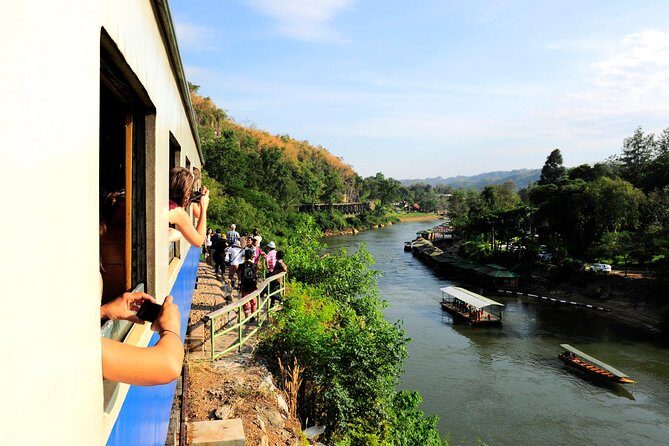
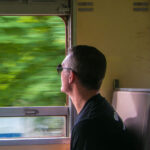
The tour includes a train ticket and includes a scenic train ride along the Death Railway line. This is a key reason to choose this particular outing over a “viewpoints only” tour. You don’t just learn about the tracks—you experience the motion and rhythm of the route.
If you’re a train person, you’ll probably enjoy it even more because you’ll be looking at the corridor that WWII workers were forced to build and use. A review also mentioned a paid option to ride in an end train compartment (300 baht each), so if that’s offered on the day, it may be an upgrade worth considering for the view and experience.
Timing here is important too. If your only concern is ticking off WWII stops, you might not care much about train time. But if you want to feel how the rail line “operates” in modern Thailand, this included ride is one of the best value touches on the itinerary.
Krasae Cave and the surrounding WWII rail corridor
The final major stop is Krasae Cave, along the Death Railway corridor. The scheduled block is long—about 5 hours total—so you’re not just stepping into a single doorway and running out.
One review raised a heads-up: the last attraction may be different than what you’d expect from the word cave alone, with mention of a waterfall in a national park. That’s not a dealbreaker, but it is a consideration if you’re specifically expecting only cave time.
Either way, the point of the stop is respectful and reflective. You’ll be near a site where POWs once rested, and today it functions as a walking area tied to remembrance. Take it slow here, too. With a long day already behind you, this is where you want your energy to last.
Lunch and the comfort details that matter on a long day
Lunch is included as a buffet at a Thai restaurant, and that’s not a small perk when you’re leaving Bangkok early. On an 11-hour day, an included meal saves you from hunting for food along the highway.
The tour also provides air-conditioned vehicle transport, plus bottled drinking water and a cool towel. In Thailand heat, those little items reduce crankiness. You can save your energy for the moments that actually matter: the cemetery walking, the bridge crossing, and the train ride.
To be blunt: this is the kind of day where small comfort upgrades make a big difference. You’ll feel it most during the driving stretches.
Guides, pacing, and why some days feel richer than others
This is a tour where the guide can make the difference between a “good day out” and a “I won’t forget this.” In the reviews, I saw strong praise for timing and organization, plus examples of guides who explained places well and kept things moving at a smart pace.
Some guides were named: Oom, Rach, Alex, and Tum Tum. Reviews praised them for being friendly and for using the available time well at the stops.
That said, there are also caution flags. A couple of comments mentioned not enough explanation during some parts of the day or a guide who wasn’t consistently with the group during road time. One review also noted the day felt heavy on driving with limited site meaning beyond a brief talk at the cemetery.
My practical takeaway for you: if you really want deep narration, consider arriving with questions in mind. Asking simple follow-ups in person can help you get more out of whatever explanation time the group receives.
How long you should allow (and who this suits best)
This is not a “quick history hit.” You’re in for an ~11-hour day with early departure and a full schedule. It’s best for people who are okay with long travel and want a structured day that handles transportation and entry tickets.
This tour can work well for families, but manage expectations. One review described going with children under age 3 and praised the guide’s pacing, while also warning the drive is long. If you’re traveling with little kids, pack snacks, plan breaks, and expect that patience will be part of the itinerary.
If you’re short on time in Bangkok, this tour is also a smart way to cover multiple WWII-related sites without trying to cobble together separate taxis, tickets, and timing on your own.
If you hate long driving days or you need nonstop guided commentary, you might find this type of tour frustrating. In that case, you may prefer a more flexible plan with fewer stops.
Should you book this Kanchanaburi and Death Railway day trip?
I’d book it if you want a well-organized day that hits the big WWII anchors in one shot: Kanchanaburi War Cemetery, JEATH War Museum, the Bridge Over the River Kwai area, and a train ride that actually puts you on the rail experience. The included lunch and comfort supplies (water and cool towel) make it easier to enjoy the day instead of spending energy on logistics.
I’d pause before booking if you need heavy, detailed explanations the entire time. There are signs that guide attention and narration can vary, and one person noted a mismatch between what they expected for the final stop versus what happened on their day.
If you fit the first group, this is strong value for an all-in guided historical day from Bangkok. Just treat it as a long, moving day of remembrance, not a short sightseeing sprint.
FAQ
How long is the full-day Kanchanaburi River Kwai and Death Railway tour?
It’s listed as about 11 hours.
Where do I meet the group in Bangkok?
The meeting point is MBK Center, 444 Phaya Thai Rd, with a 6:30am start time.
Does the tour include pickup from hotels in Bangkok?
Yes. It offers one-way hotel pickup in the Bangkok city center, and drop-off is at the meeting point location (MBK Center).
What’s included in the price?
The tour includes an English-speaking guide, buffet lunch, train ticket, all entrance fees, air-conditioned vehicle, bottled water and cool towel, and travel insurance.
Is there an included train ride?
Yes. There is a scenic train ride along the Death Railway included with the train ticket.
Can I cancel for a full refund?
Yes, it’s listed as free cancellation. You can cancel up to 24 hours in advance for a full refund.
![Floating & Railway Markets and Erawan Waterfall [Optional Luxury] - Mae Klong Railway Market: riding the line and seeing the market change](https://b.exploringbangkok.com/wp-content/uploads/floating-railway-markets-and-erawan-waterfall-optional-luxury.jpg)